Our long planned 6 week trip to Europe culminating in the wedding of Molly & Harry in the mountain town of Crans-Montana in the Swiss Alps was finally upon us.
Istanbul
Istanbul was one of those destinations that we both readily agreed upon and having been there, it has whetted our appetite to see a bit more of Turkiye.
On our first day we arrived at around 5:30am and were fortunate that the Airbnb we rented was vacant & the owner was more than happy to meet us at around 7am at the apartment which was located within easy walking distance of all the central tourist & historic sites.
We decided to just take off on a walk & see where it took us. Around 11km’s later and elevation of around 30+ floors we were ready to chill out mid afternoon.


The following day we had a private guide, Fettah, for the day who took us to all the major sites ie; Hagia Sophia, Topkapi Palace, Blue Mosque & the Basilica Cistern. We spent probably 3 hours in the Topkapi Palace which was huge with an incredible amount of historic buildings, armoury, religious artefacts, royal clothing & living quarters as well as the “back end” of a functioning palace of the 1400’s to 1800’s.


After the palace we went to the Hagia Sophia which is their Grand Mosque but it had previously been a church and a museum. For 1100 years it functioned as a church being the Cathedral of Constantinople and the centre of the Eastern Roman Empire till 1453 when Constantinople was conquered by the Ottoman Empire and was converted into a mosque.


Its construction is huge and inside there are remnants of its former history as a church by way of mosaics depicting Jesus, Mary and other local luminaries of the time. A couple of the mosaics are covered by “sails” so they can’t be seen from the mosque prayer area on ground level. The upper level is a historical museum.
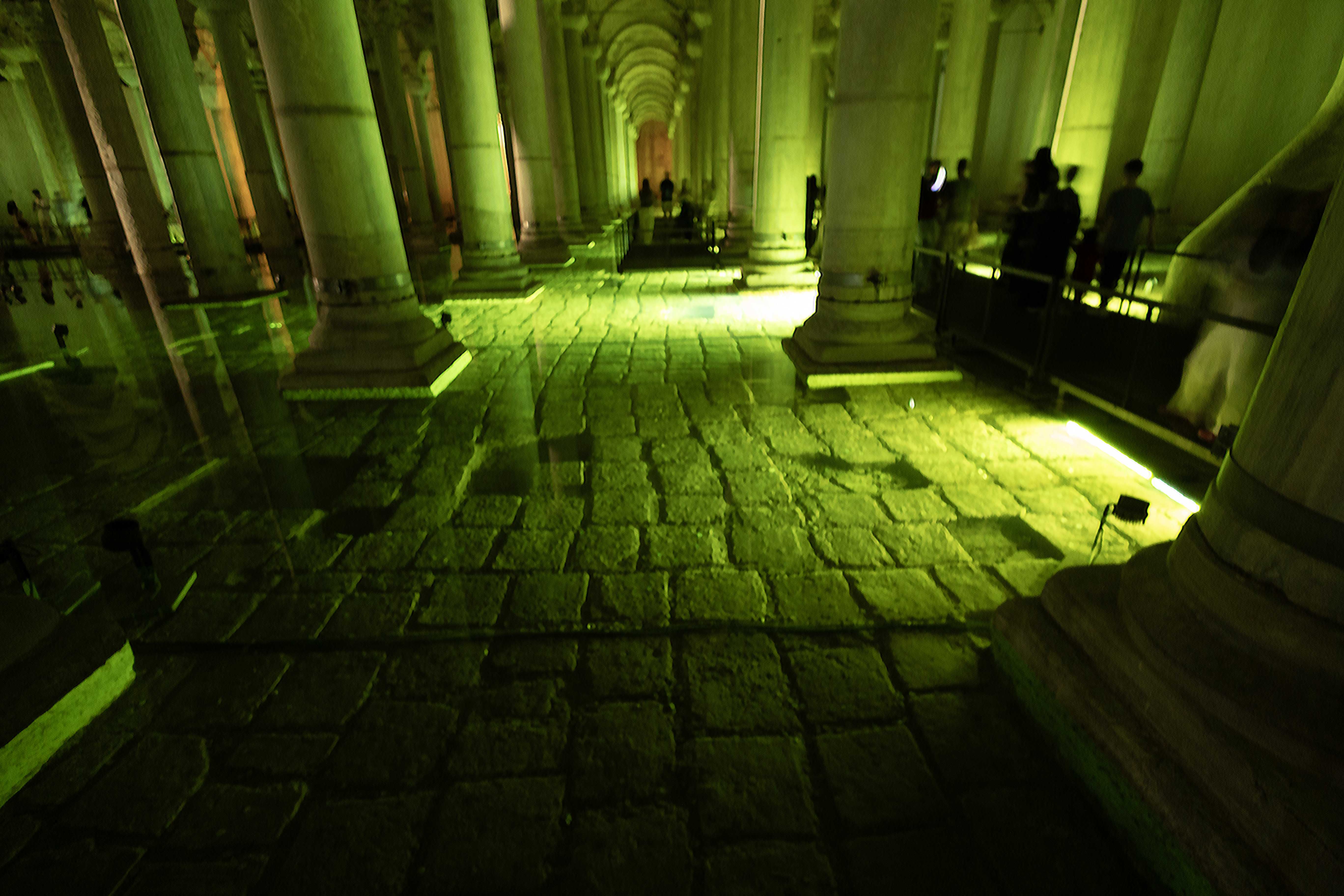
We moved on to the Basilica Cistern which is quite interesting in that it was built between the 3rd & 4th centuries and was used to collect water for over 1,000 years. Eventually it was forgotten and then rediscovered in the 16th century when it was cleaned & put back into use for the locals.
It was initially restored in modern times in 1985 and was opened as a museum and a tourist attraction in 1987. It is capable of holding 80 Billion litres of water.



The last major site to see was the Blue Mosque which was pretty tame after the other three sites. Whilst it is quite a large construction, as a mosque it is basically a big round hall inside with a dome.


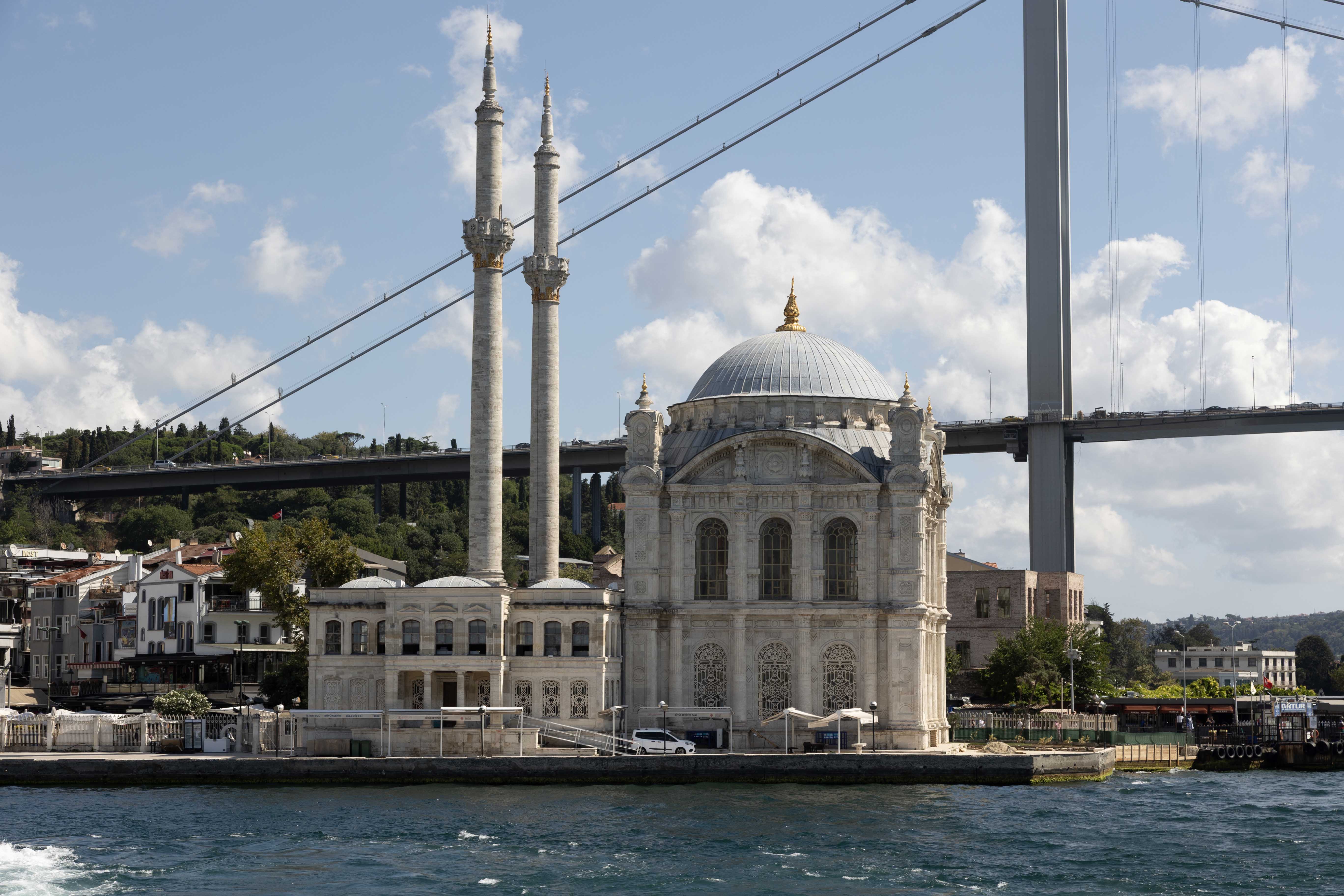
The following day we took the opportunity to go on a half day cruise up the Bosphorus, which was nice as well as a bit more exploring back through the markets in Istanbul.


Italy
Aosta
We flew from Istanbul to Geneva, where we picked up a car to drive down into Italy for our first stop being Aosta. The drive down was highlighted by a 45 minute delay getting through the toll booths at the Mont Blanc tunnel. The one lane road split into 8 toll booths but only one gate could open at a time as the tunnel was single lane traffic!
We found our Airbnb in Aosta which was located in an easy walk to the centre of the old town.
On our first full day we were booked to go up to the top of Monte Bianco (Mont Blanc in France on the other side) for lunch. We travelled up to Courmayeur where we got onto our first, but certainly not the last, cable car/gondola on our trip. This cable car took us up to our first stop, The Pavillion which is at 2,173 metres. The Pavillion stop has some of the historical photos and equipment used by early mountaineers as well as a snack bar an area with deck chairs which, for some reason seemed extremely popular and magnificent views of both the valley below & mountains above.


We headed up to the top of the mountain via cable car to Punta Helbronner, the top of Monte Bianco and named after a mountaineer & geodesist who is celebrated for his work on mapping the alps.


Punta Helbronner is at an altitude of 3,466 metres which whilst not being the highest mountain we’ve been on it still gave us both a bit of altitude sickness. Not enough to actually be sick but enough to get that nauseating feeling which subsides a bit while sitting down resting.
We had lunch in the restaurant and made our way back down afterwards.


Our second full day in Aosta was spent exploring the surrounding countryside which included a drive out to Parco Nazionale Gran Paradiso where we were going to go on an “easy” hike to a viewpoint back to the alps. This easy hike turned out to be not so easy so we turned back after about 20 minutes due to the rocky path & steep gradient.


We passed a number of old castles on our drive back and found a cable car not far out of Aosta which took us up over the valley to another viewing area with a hotel/restaurant and strangely, more people lounging on deck chairs. We had a nice refreshing ale before making our way back down to the car.
Our final day was spent exploring the old parts of Aosta itself. Aosta has many Roman ruins and monuments throughout the town itself. We went to the Criptoportico Forense, which is an underground structure of arches which were used as covered walkways and a structural support for a terrace. As part of the entry ticket we also went to the Funeray area outside the Porta Decuma (gate) which is an ancient Roman and Early Christian necropolis.
Additionally the town has ancient churches, a Roman Forum, magnificent old Roman gates which were once part of the old walled town as well as some beautiful old buildings.


Malcesine (Lake Garda)
The leisurely drive from Aosta to Malcesine was broken up by a leisurely stroll around a small town on Lago d’Iseo called Sarnico followed by an equally leisurely lunch.
Our accommodation in Malcesine was a nice apartment right on the water in the heart of the town and owned by the restaurant owner of the restaurant below us.


Malcesine is a lively little lake town with lots of restaurants and shops in little street/alleyways which gives it so much character. Cars can only get to the carpark above the main town so it is pedestrians only & quite lively.
On our first full day there we had booked tickets to go up the funicular to the top of Monte Baldo. All the reviews said it gets extremely busy & irrespective of what time you booked for, queues are significant. We booked for 9am being early enough for holiday rising. When we got there the queue was quite short & only waited about 10 minutes.
Having reached the top we were pleasantly surprised with the view from both sides of Monte Baldo. One side overlooks Lake Garda & beyond as well as the Italian Alps. The other side looks over lush valleys with houses & small hamlets dotting the countryside along with grazing cattle.


We did the hike from the top of the funicular to the peak, as well as a side trek to a viewpoint slightly below, which was a 2-3 kilometres all up. When we got back to the visitor centre we saw a sign to a mountain cheese farm which we thought we’d give a try.
After what was supposed to be 500mtrs but seemed somewhat further we came upon the rustic little dairy farm with a small cheese shop where we bought a cheese & salami platter and sat on their balcony overlooking the valley.


We made our way back to the funicular & down the mountain where the queues had grown astronomically. Our 10 minute wait would have easily turned into an hour or more.
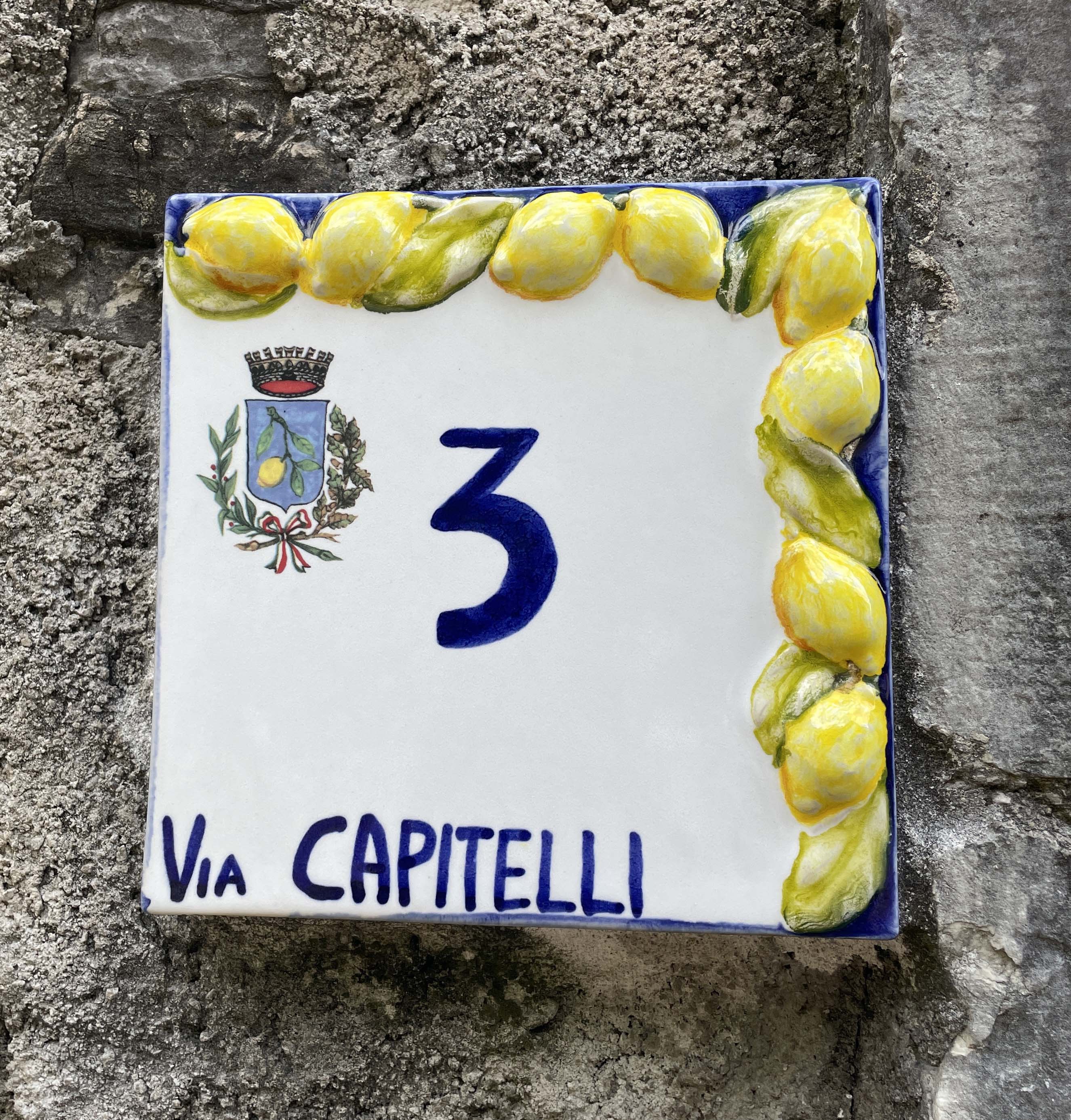
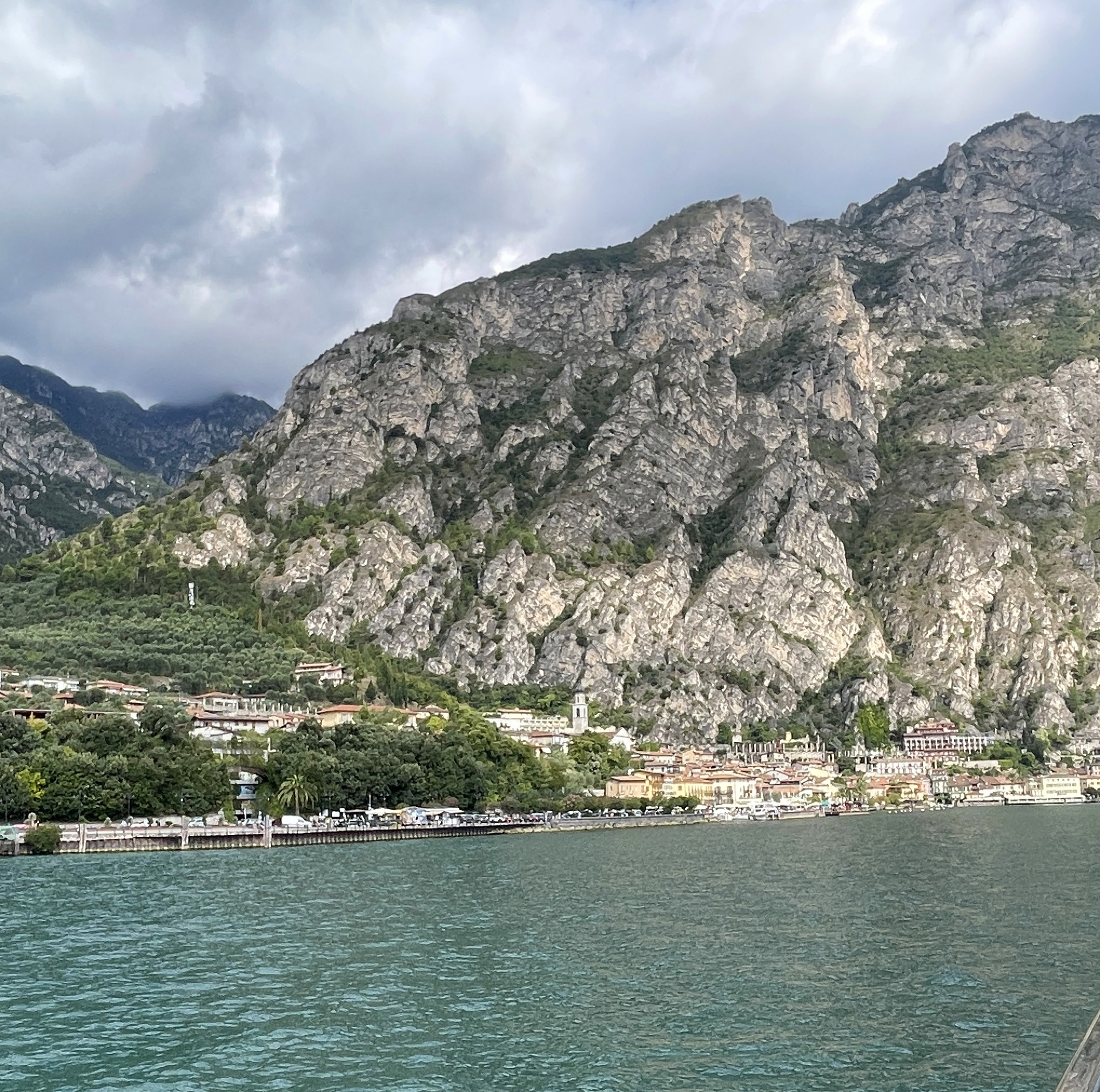
The following day we took a boat ride over to Limone sul Garda, which literally translates to Lemon on Garda. Therefore it is not surprising that lemons feature prominently in the shops and restaurants there. We had a wander around the town for an hour or two before catching the boat back to Malcesine.



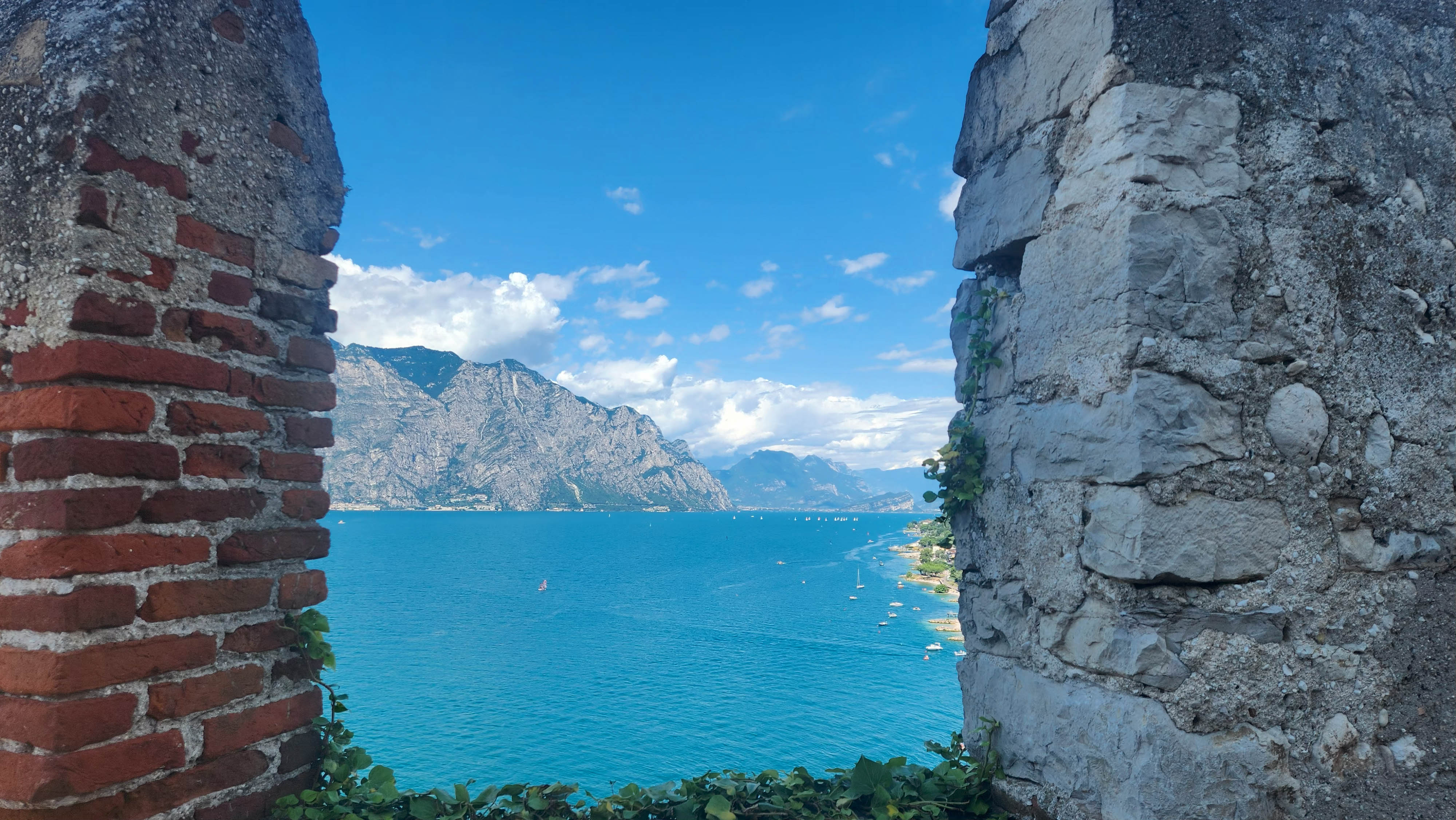
After this we decided to explore the medieval castle, Castello Scaligero di Malcesine, which dominates the coastal view of Malcesine. The origins of the castle dates back over 2,000 years, destroyed in 509AD & then rebuilt.
The castle has since been re-purposed as a museum displaying the history of Malcesine & environs. The climb to the top of the tower is worthwhile for the breeze to cool you down & for the view it provides of the lake.




Ravenna
Ravenna has a fascinating & detailed history dating back to the 5th century BC, having been conquered at least seven times since the 5th century AD at which time it was the seat of the Roman Empire and then of Byzantine Italy till the 8th century.


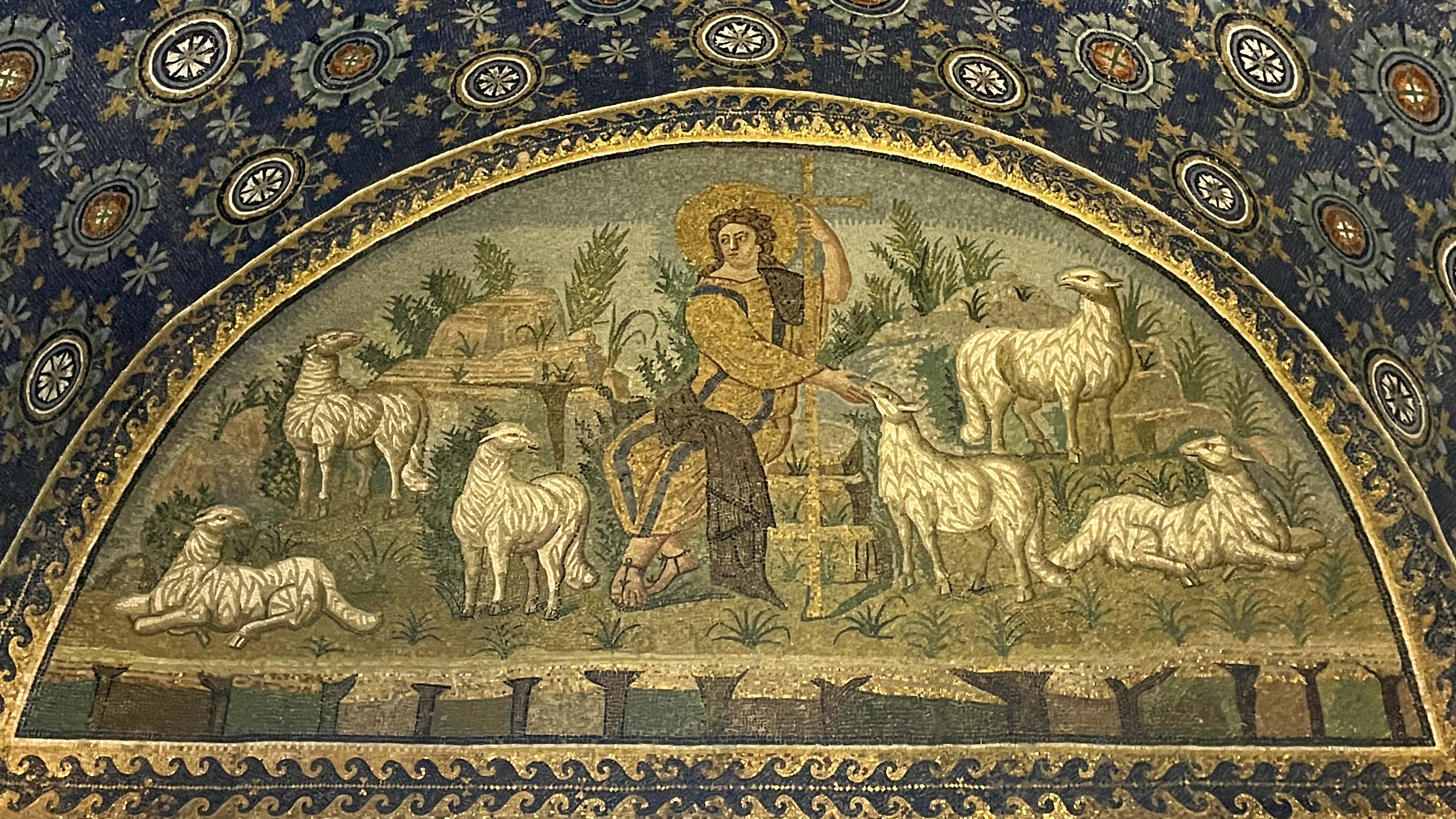
Accordingly there are eight buildings within Ravenna that have UNESCO World Heritage classification for the Byzantine mosaics that they contain.
The photos do not do justice to the spectacle of the mosaics & in a couple of instances to the size & grandeur of them.




It probably took us 1 1/2 days to get around to all the UNESCO sites as Ravenna is also a town where there are no vehicles allowed unless you are authorised or are a resident, so like a lot of Italy, exploration was by foot.


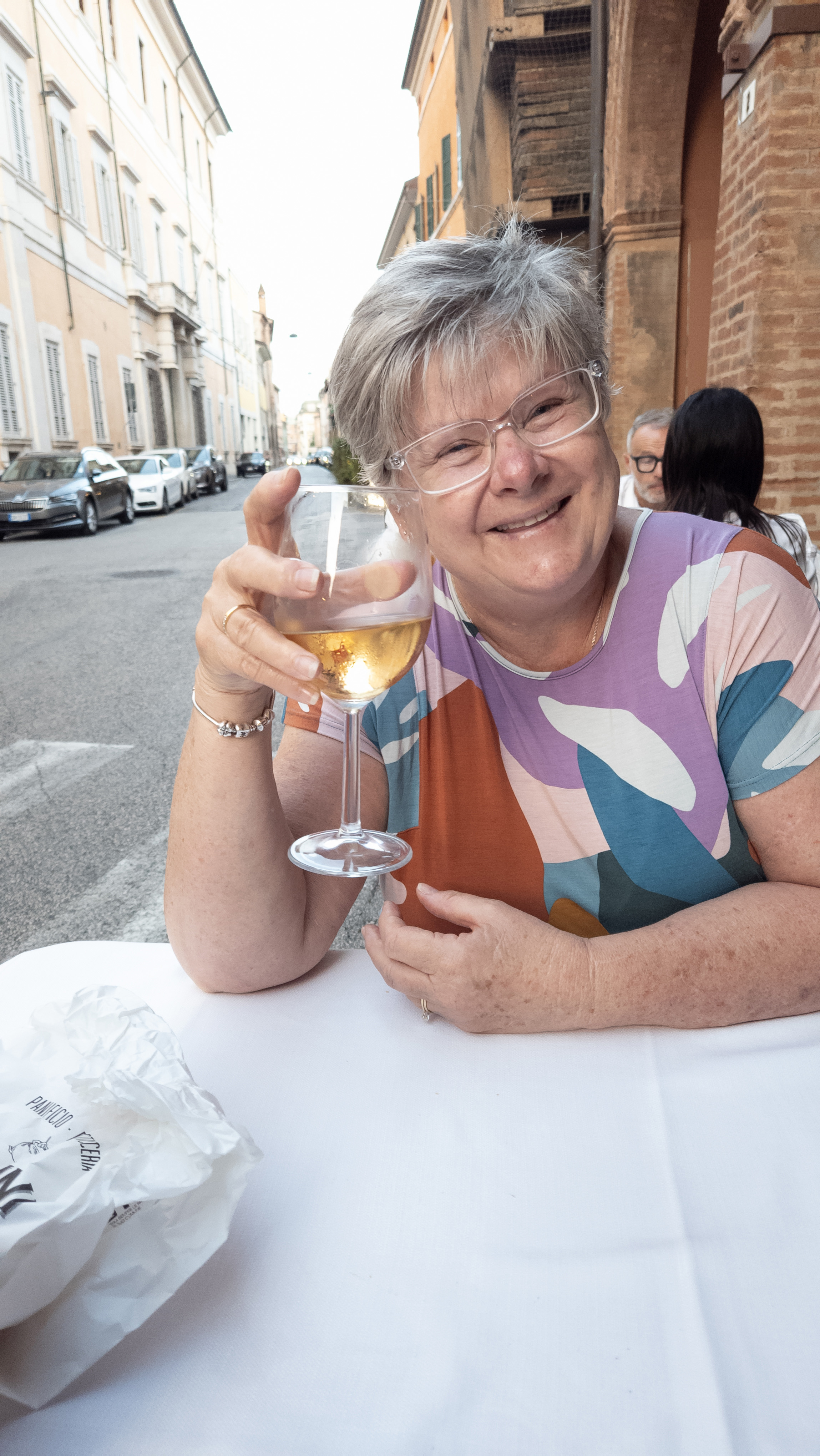
We spent our last day wandering the streets of Ravenna admiring the history & the churches before having a nice meal “on the street” for our last night.



San Marino
The second day we took a trip to San Marino.
San Marino sits atop Monte Titano and is the third smallest country in the Europe after The Vatican & Monaco and the fifth smallest country in the world.


We had a wander around the town/city/country with the most interest in the torture museum. It’s amazing how cruelty was turned into an artform in those days.


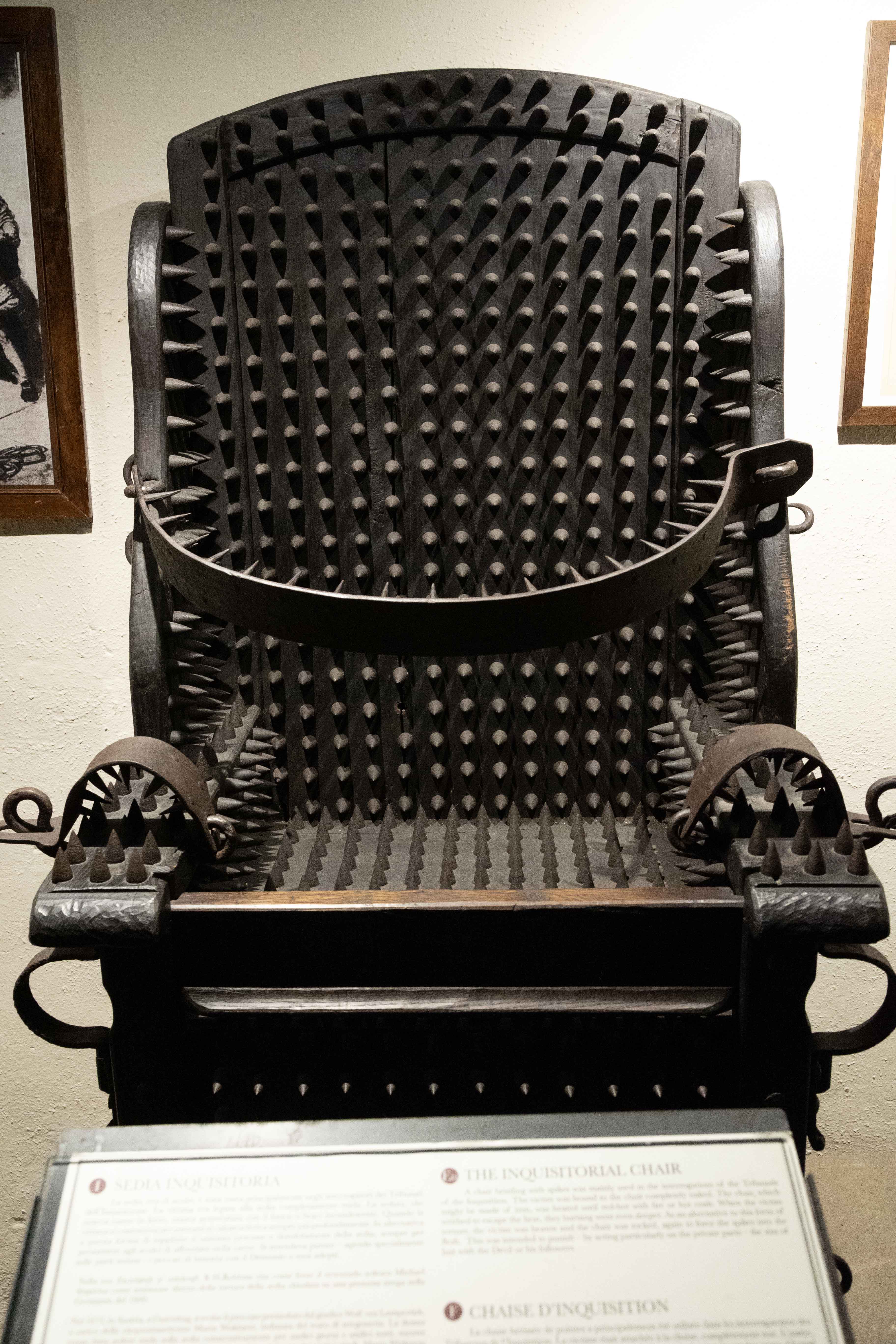


Unfortunately, being so small, it is not difficult to become crowded, which it was when we went there. It ticked off another country though.
Bologna
Bologna is known as the “City of Porticoes”. This is quickly evident when walking into the centre of Bologna in that most of the walkways are like covered alleyways built into the buildings. The porticoes cover around 62km of walkways throughout Bologna.
These buildings, particularly the Basilica and the Palazzo d’Accursio have played an important part in the history of Bologna.
The heart of the city is Piazza Maggiore which is dominated by magnificent old buildings such as Basilica of San Petronio, the Palazzo dei Notai, the Palazzo d’Accursio, the Palazzo del Podestà and the Palazzo dei Banchi.


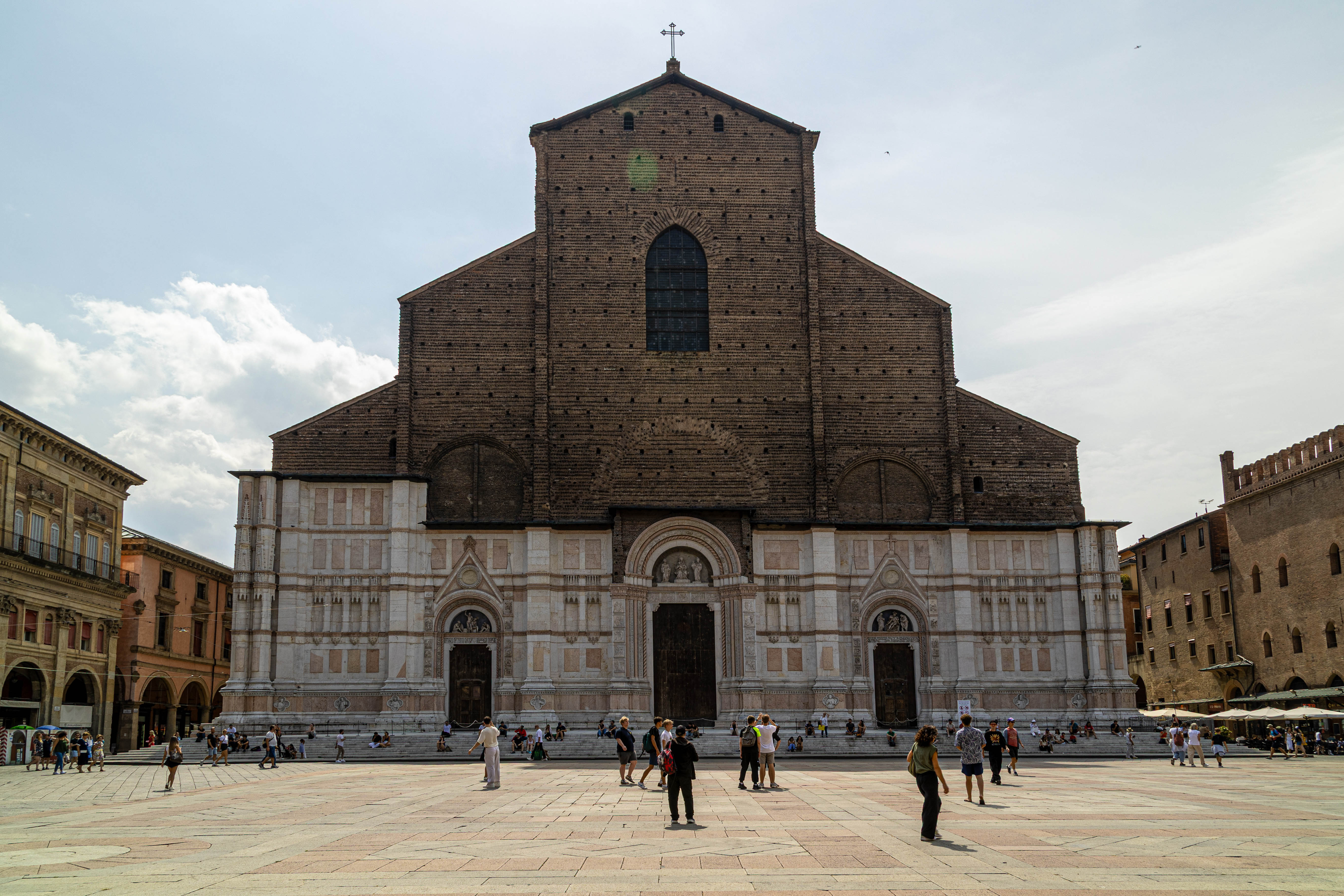


The Basilica started construction in the 1300’s and continued for 300 years. The church is decorated in many sculptures & frescoes as well as a “Meridian Line” sundial.
The Palazzo d’Accursio (now also known as the Municipal Palace) houses the famous Clock Tower. This was originally a private home built & owned by a famous law professor named Accursio but has been the seat of government since 1336. Additionally it houses an art museum containing artworks dating back over 700 years as well as the clock tower which you can & we did, climb up to.
The view from the clock tower is terrific and you can see quite a number of towers still standing around the city. Between the 12th and the 13th century, Bologna was a city full of towers. Almost all were tall (the highest being 97 metres (318.2 ft)), defensive stone towers. Besides the towers, there are still some fortified gateways (torresotti) that correspond to the gates of the 12th-century city wall (Mura dei torresotti or Cerchia dei Mille), which itself has been almost completely destroyed.
The reasons for the construction of so many towers are not clear. In the 13th century, many towers were taken down or demolished, and others simply collapsed. Several have since subsequently been utilized in one way or another as prisons, city towers, shops, or residential buildings.
Bologna also has a plethora of lanes with lots of restaurants and markets as well as being a large university city.


We stayed about a 20 minute walk from Piazza Maggiore in a very nice apartment which gave us the flexibility to wander into the city centre or grab the car and be on the motorway in a few minutes, which we did, to Modena.
Modena
One of the days staying in Bologna we decided to go to Modena for a number of reasons being, one being the Ferrari Museum & we had booked a balsamic vinegar tasting and lunch at a farm that produces it as well as wandering around Modena itself.
The Ferrari museum, whether you are into cars of not, is intrinsically part of the fabric and history of Italy and motor cars.
The museum is not just the birthplace of Ferrari racing cars but also where Enzo Ferrari was born & lived almost his entire life, although he did have more than one property.
The museum has a host of racing and sports cars whose collective worth would be in the hundreds of millions of dollars.

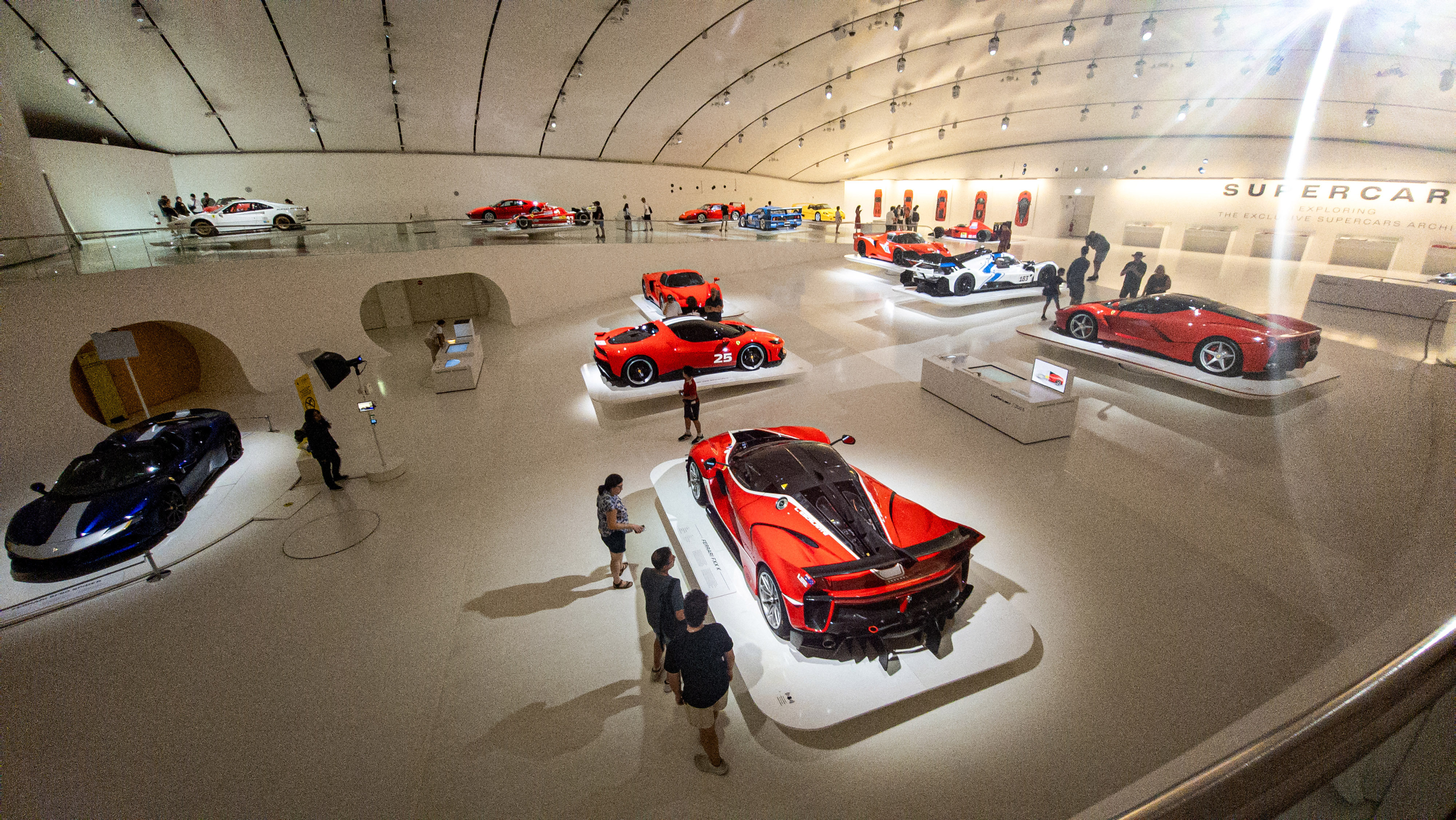


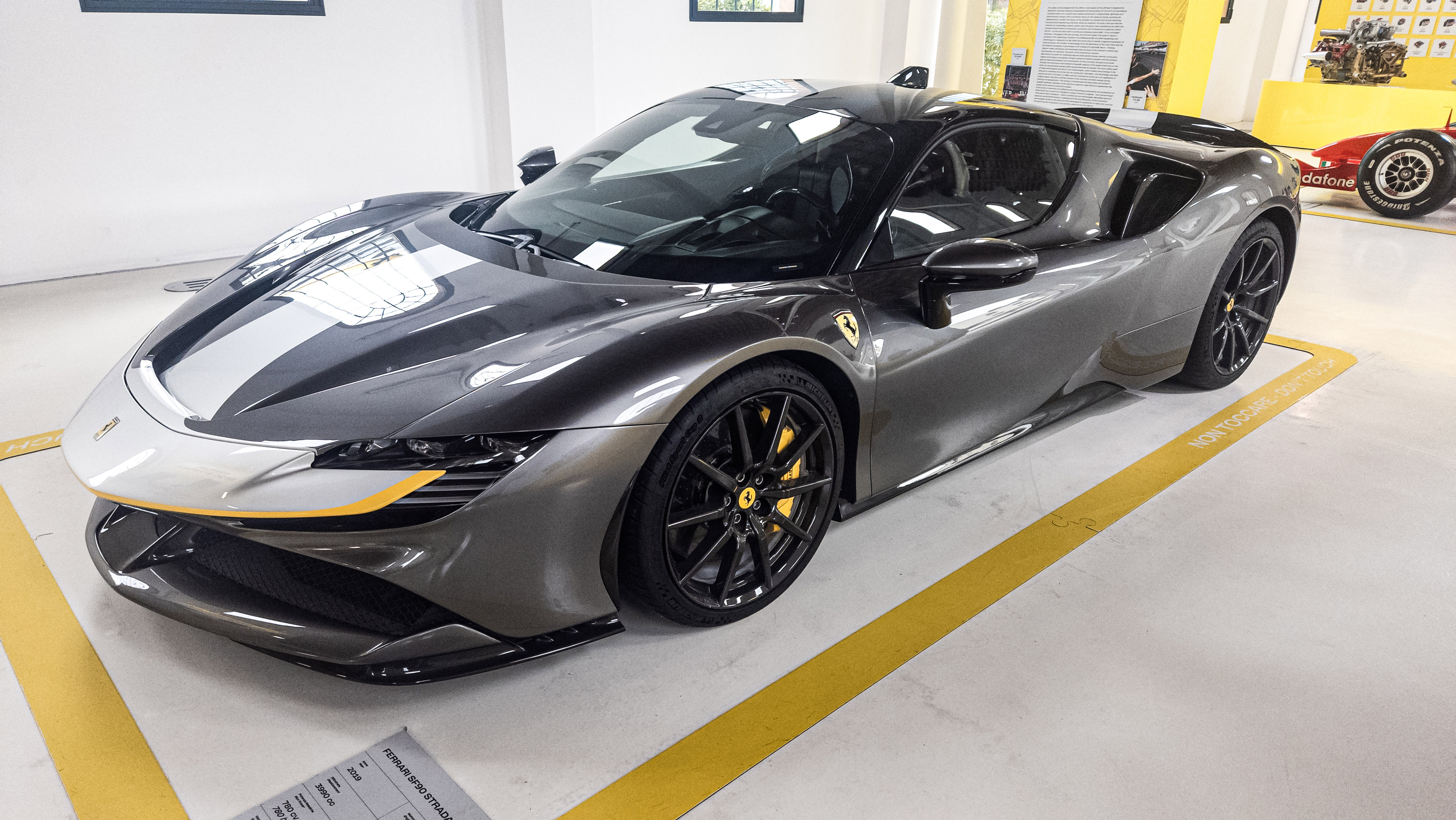
We had enough time to have a wander around the town of Modena which was a nice change of pace from the busy & populated city of Bolgna.
We had booked a tasting of aged balsamic at one of the producers which included lunch. We were not sure what to expect but we had a great time & learnt quite a lot about the manufacture of balsamic vinegar. After showing us the storage of the aged balsamic & and how it is made it was time to taste the product. We tasted a 25yo a 12yo & a recently bottled balsamic vinegar.
Naturally the recent one was out of its depth but the two aged balsamics were really interesting and quite different to each other. Lunch was a huge three course affair with wine and at the end the patriarch of the family supplied us with their family Parmesan Risotto recipe.


Padova
With a day to spare it was a toss up which city to visit out of Padua, Verona, Parma or Reggio Emilia. We had been to Padua on a previous trip and used it as a base to also visit Venice, so we opted to go back & have another wander around there.
When we arrived and parked down near the Prato della Valle which is a combination park, piazza and outdoor sculpture museum. On the day we arrived, being a Saturday, markets were set up in the outer ring of the “piazza” . I mentioned to Belinda about being here on our previous trip back in 2010, which she didn’t remember but I managed to find the old photo & got a current update.


Across the road we visited the Basilica of Santa Giustina which, as is the norm in Italy, is a large ancient building with incredible history behind it. The first basilica structures were built shortly after 520AD. Saint Justina (Santa Giustina) was put to death in 304AD for being a Christian by decree of Emperor Maximian, then passing through Padua. The basilica contains the remains of Saint Justina, Saint Luke, Saint Julian & Saint Felicity.


We walked up to the Basilica of St. Anthony of Padua which is an enormous edifice built between 1232 and 1310. The basilica contains the tomb & remains of St. Anthony and the slightly macabre sight of the saints tongue vocal chords & chin which were remarkably preserved when the original tomb was surveyed in 1981 were also on display.
We walked further in to the centre of Padua where there were more markets in the main piazzas.
In between the piazzas is the Palazzo della Ragione which was built in the 13th century and served as the seat of the city courts and the covered market of Padua. The roof of the Palazzo is wooden and in the design of an upturned hull of a ship.
The great hall which is around 80 metres in length is adorned on all four walls of frescoes many by the renaissance artist Giotto. It also houses a 6mtr tall wooden horse sculpture as well as the “Stone of Shame” on which anyone who fell into debt was sentenced to sit upon in a public humiliation.


Interestingly the sarcophagus of the founder of Padua, Antenor of Troy, is on a raised platform on one of the streets of Padua and is easily walked past oblivious to the fact that he is responsible for the city today.
Bolzano
What a beautiful place Bolzano & surrounding countryside is. Home to the Dolomites the southern Tyrol region is spectacular with amazing views across high country meadow lands to the Dolomites to the Swiss & Italian Alps.
We stayed in the centre of Bolzano, again a city with no cars allowed, which was fine as we had under cover parking about 300 mtrs away.
Our Airbnb host, Ferdinand, gave us a number of suggestions of places to visit & sites to see as well as local restaurants. So on our first full day we decided to take a drive up one of the many mountainsides to near where he lives in Lengstein. Whilst getting slightly lost at one stage, as our GPS sent us into someone’s backyard, we managed to find our way up to the cable car to get up to the top of the Rittner Horn mountain. We managed to get up to Cima Lago Nero (Peak of the Black Lake) and would have liked to get to the top of Ritter Horn but the weather started closing in on us so we decided to head back down the mountain.
Ferdinand also told us about a natural feature which would be of interest called Piramidi di Terra di Longomoso (Earth Pyramids of Longomoso). It took us a few passes but we finally worked out where to park & walk to the viewing sites for these interesting structures.


That night we caught up with Brian’s aunty, Moira & her husband Steve who, after battery problems in his Porsche that morning, made it to Bolzano later in the day having driven over from Twickenham, UK.
We had a great night with them and spent the following day wandering & exploring Bolzano. After lunch we took the cable car, which is just a few hundred metres from the city centre, up to Oberbozen, which basically translate to “Over Bolzano”.
We had dinner that night at a typical Tyrolean restaurant that Ferdinand had recommended to us. It certainly didn’t disappoint and was the standout of the restaurants in Bolzano, not that there were any bad ones. A final drink with Steve & Moira at their hotel saw us say goodbye to a really enjoyable visit with them.


The following day, again taking Ferdinand’s advice, we decided to go up to Alpe di Suisi, being the Italian name for Europe’s largest high-elevation alpine meadow, located in the Dolomites
We had to get up to the parking area before 9am otherwise you could not drive up there as they limit any cars in the area. The setting is a spectacular scene of green rolling valleys and jagged peaks with cows grazing in the meadows. There are walking trails all throughout the area and as we discovered little cafe/bar set ups dotted along the way.
We did a 2-3 hour hike after which we decided to go up a cable car to the top of one of the peaks where there was a restaurant & bar for lunch. The setting had magnificent views across to the Dolomites & the Swiss Alps. With the sun shining what a place for a nice cold alpine lager!


Austria
Salzburg
We set off from Bolzano for the 4 plus hour drive up to Salzburg, Austria which was interesting as we left Italy, went into Austria then into Germany & back into Austria.
We stayed at an Airbnb at Bergheim, about 10-15 minutes outside of Salzburg in a nice quiet area with plenty of local restaurants and bars with countryside not far away.
We had one of our only two rainy days on the day we chose to catch a train and spend the day wandering around Salzburg.
Salzburg translated means “Salt Castle” or Salt Fortress”. The name was given to the city in the 8th century when the town imposed a toll on the salt trade when they transported their cargo down the Salzach River which passes through the city.
Having said that there is a castle which overlooks the city, Fortress Hohensalzburg. We spent a couple of hours wandering the castle, it’s grounds & rooms which was home to the archbishops that ruled Salzburg for hundreds of years. We also went to the Altstadt (Old Town) where Mozart’s birthplace & residence is as well as wandering around the Mirabell Palace & gardens.


The following day we decided to get an “early” start so we could visit Hallstat which is the most photographed town in Austria & one f the most photographed towns in Europe. This decision was a master stroke as by the time we were leaving the town was being inundated with tourist buses, with a large Asian contingent prominent.
The town is quite beautiful as it is set on a shimmering lake with mountains as a backdrop.

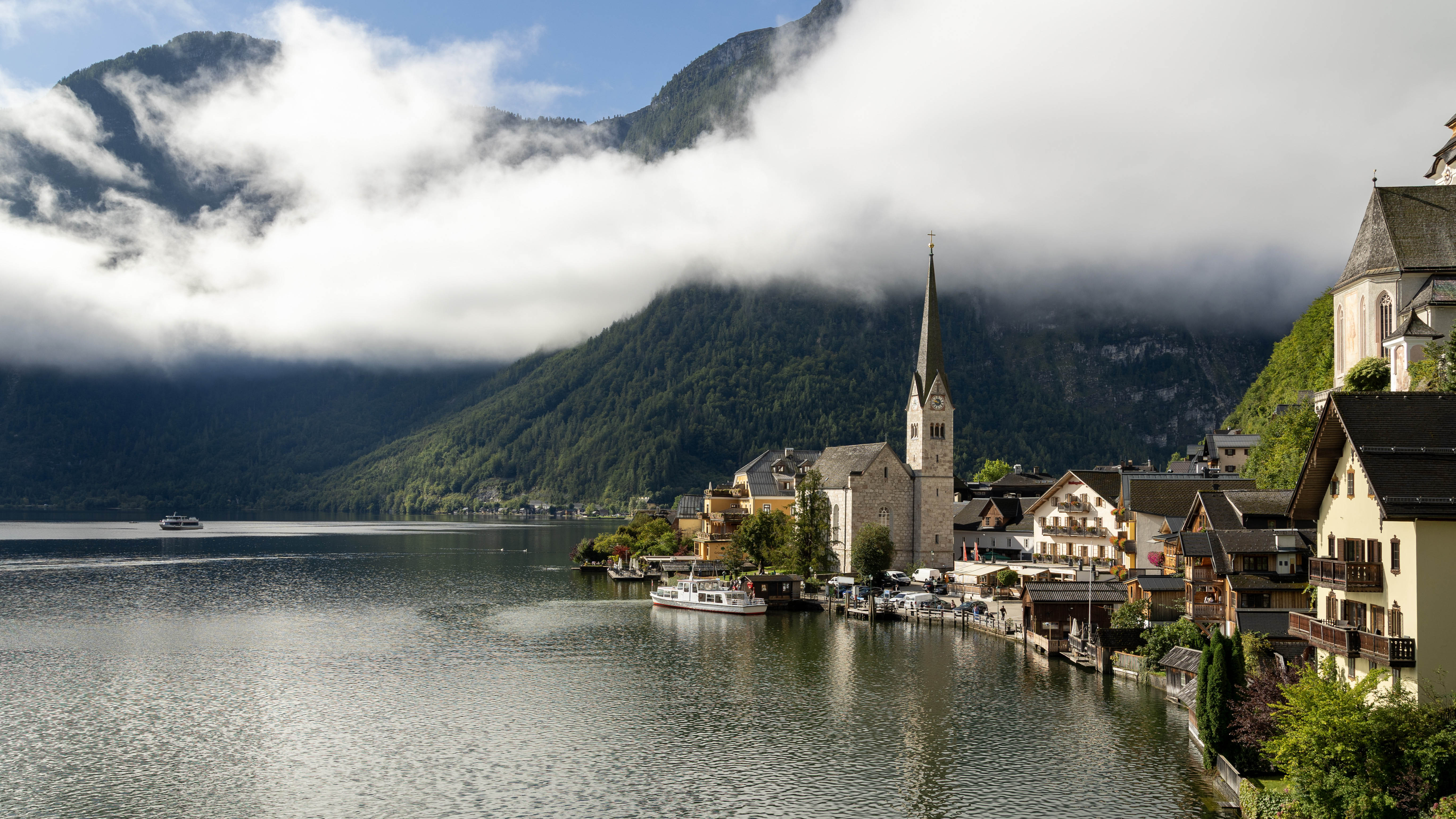

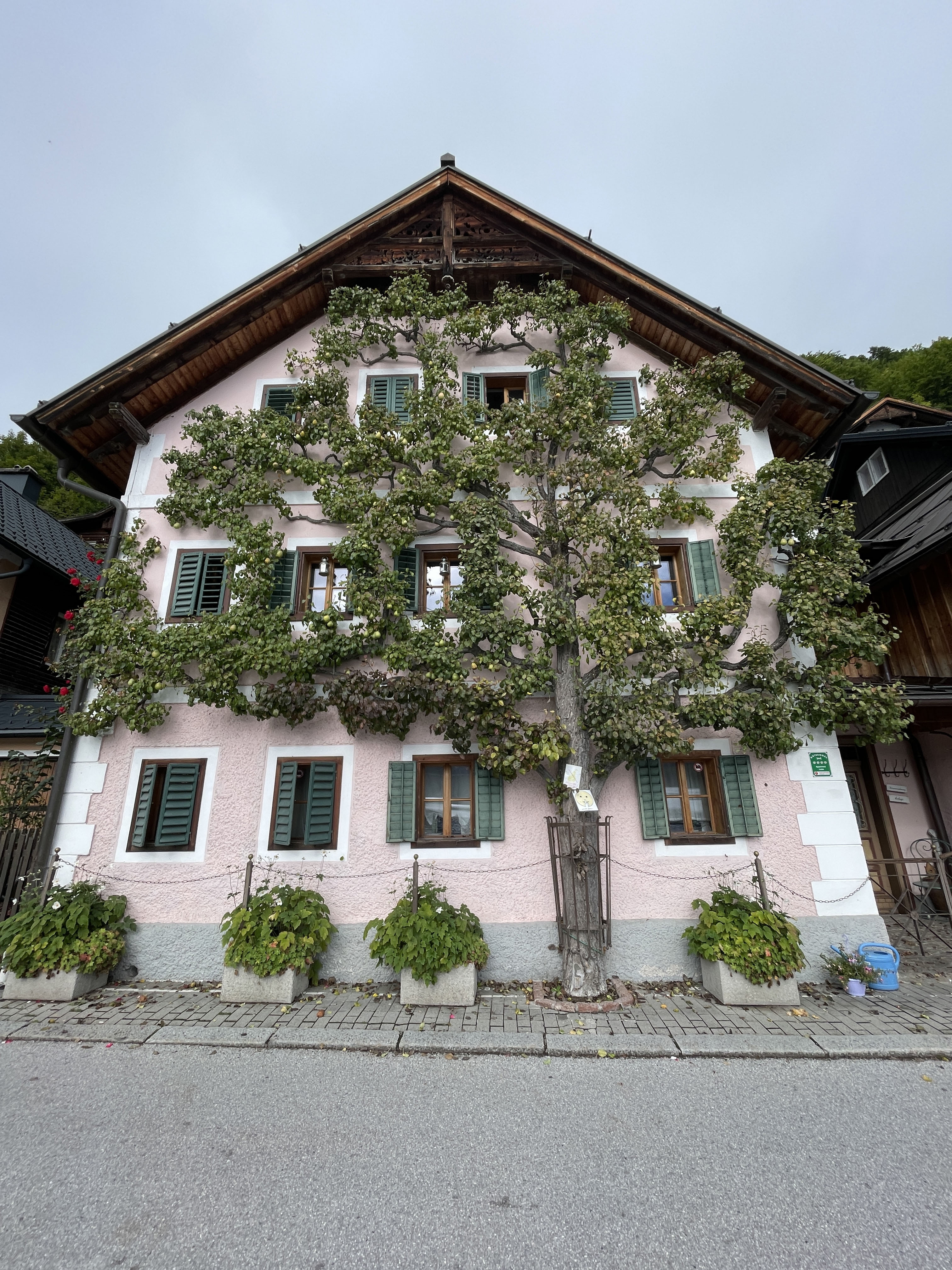


From here we headed to Eisriesenwelt, which we had read about, which is the largest ice cave in the world. The countryside on the way was stunning.
We didn’t expect the largest ice cave in the world to be on top of a mountain but it does make some sense when you think about it, what with snow covered peaks all around.
After driving up the mountain & buying our tickets we had an uphill 20 minute walk to the cable car to take us higher. When we got off the cable car there was a restaurant with outdoor seating which was a spectacular place to sit for lunch. After lunch we had another 20 minute walk up hill to the entrance of the ice cave where we waited to be taken on the English tour of the cave. While waiting the view of the valley & snow capped mountains is sensational.
We were “warned” the there were about 1,700 steps to the top of the cave and the tour would take 1 1/2 hours. Additionally the temperature in side the ice cave was unsurprisingly around & below 00 Celsius.
The tour was great, seeing the ice formations and particularly walking alongside the side of a glacier which was “who knows how tall”. Particularly interesting was how the men found the ice cave in the first place with the “primitive” climbing equipment they used to get up the mountain.


By the time we got back it was a long day & our hosts congratulated us on the decision to go to Hallstat early which is what they would have advised us.
That night we took their advice and went up to a traditional Austrian restaurant up over the other side of the hill/mountain behind us which they explained had great sunsets.
GERMANY
The trip from Salzburg to Munich is not a long one so we had plenty of time to maybe explore somewhere along the way before checking into our accommodation near Munich.
Freising
After a little investigation we decide to call into the small Bavarian town, Freising.
Freising is a very old town believed to have been settles around 700AD by Frankish Dukes and was further developed by the church under Saint Corbinian after 724AD.


Today Freising is a university town as well as having a beautiful Altstadt or “Old Town”
Staying with history, the one place we did want to visit was Weihenstephan Brewery, the oldest continuous brewery in the world. The first beer brewed here was in 1040AD under the supervision of Abbot Arnold, the Abbot of the Weihenstephan Monastery.
One thing is for certain from Bolzano, (which sees itself as Austrian) through Austria to Germany they do love their beer. It is not uncommon to see many people enjoying a beer in cafes around morning tea time.
The experience of having a beer in the oldest brewery in the world was worth the trip.
Munich
Our accommodation near Munich was on a slightly busy road but the apartment was quite nice & pretty quiet when closing the front windows, particularly at night.
Our priority for our first full day was a visit to the Dachau Concentration Camp & Memorial. We decided to do an English walking tour of the camp which took around 2 1/2 hours, however beforehand we were directed to the theatre room to view a film regarding Dachau and its history which was a good overview before the tour.
I give credit to the Germans in that they don’t sugarcoat what was done here & at other concentration camps and it is mandatory for all year 9 students to go through the site with guides outlining the atrocities committed and ensuring that they never occur again in their society.


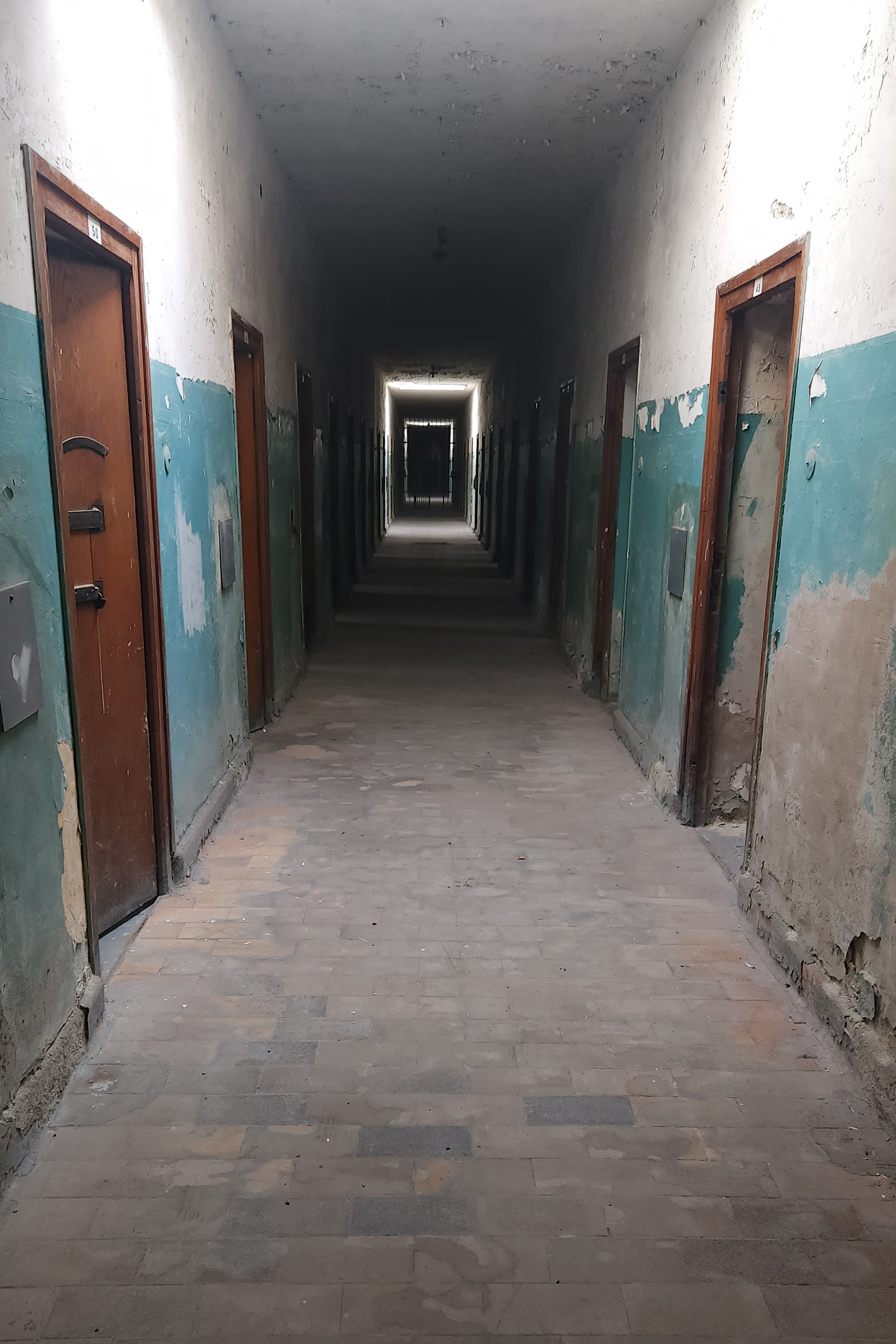


We also had a wander around the “old town” of Munich, which surprisingly is not that big and had lunch in a very old underground restaurant, the Ratskeller Munchen.
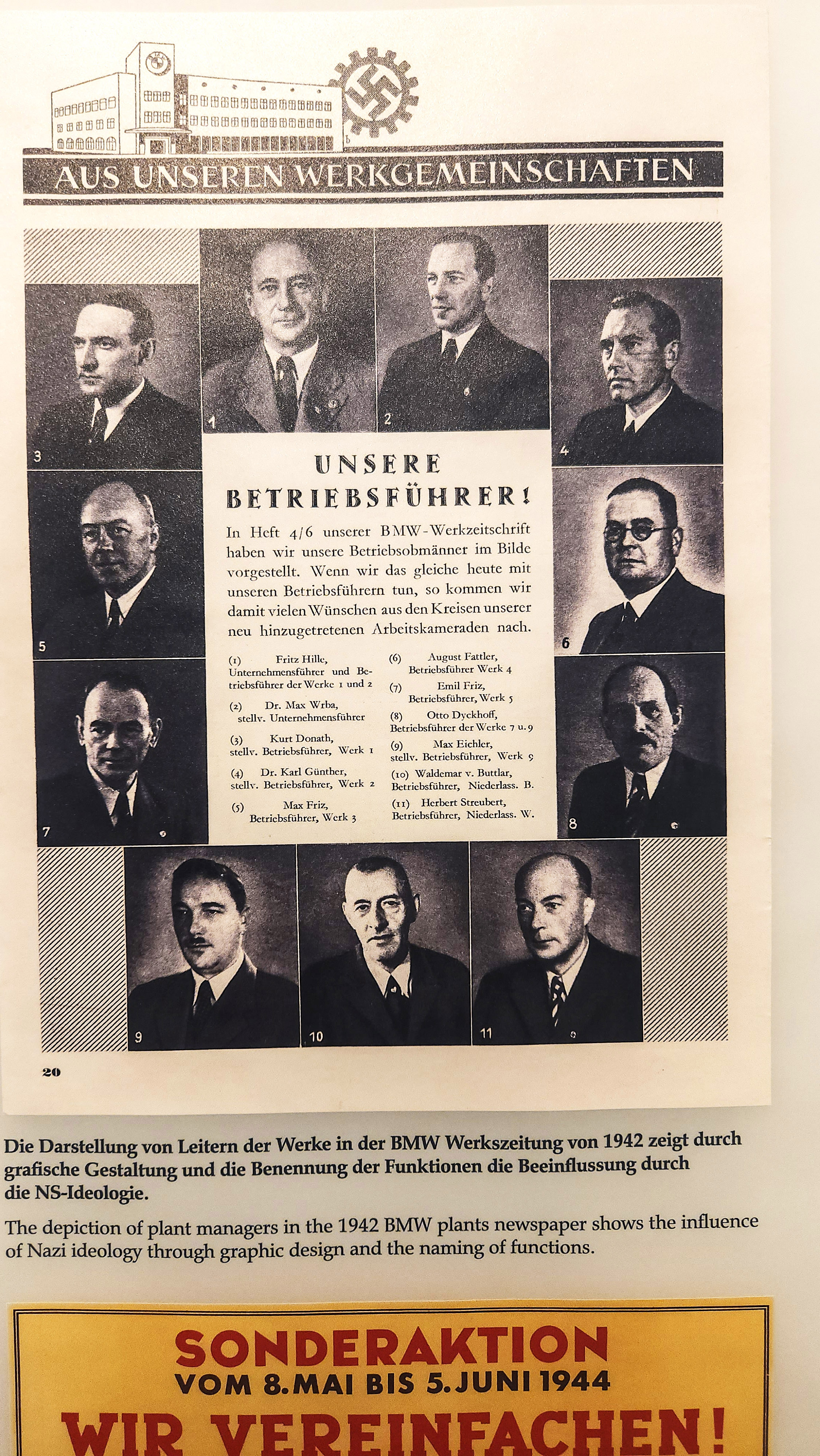
The following day was spent in Munich itself firstly going to the BMW Museum and BMW World. The museum was truly fascinating with its history of motorbikes, automobiles and jet engines. You can see the quality in the machines, even going back to the first motorbikes which they strive to maintain today. There is also a section in the museum devoted to their collaboration with the Nazi’s in WW2. Like Dachau, they don’t sugarcoat it and the company has for some time gone to great lengths try to atone for those sins.


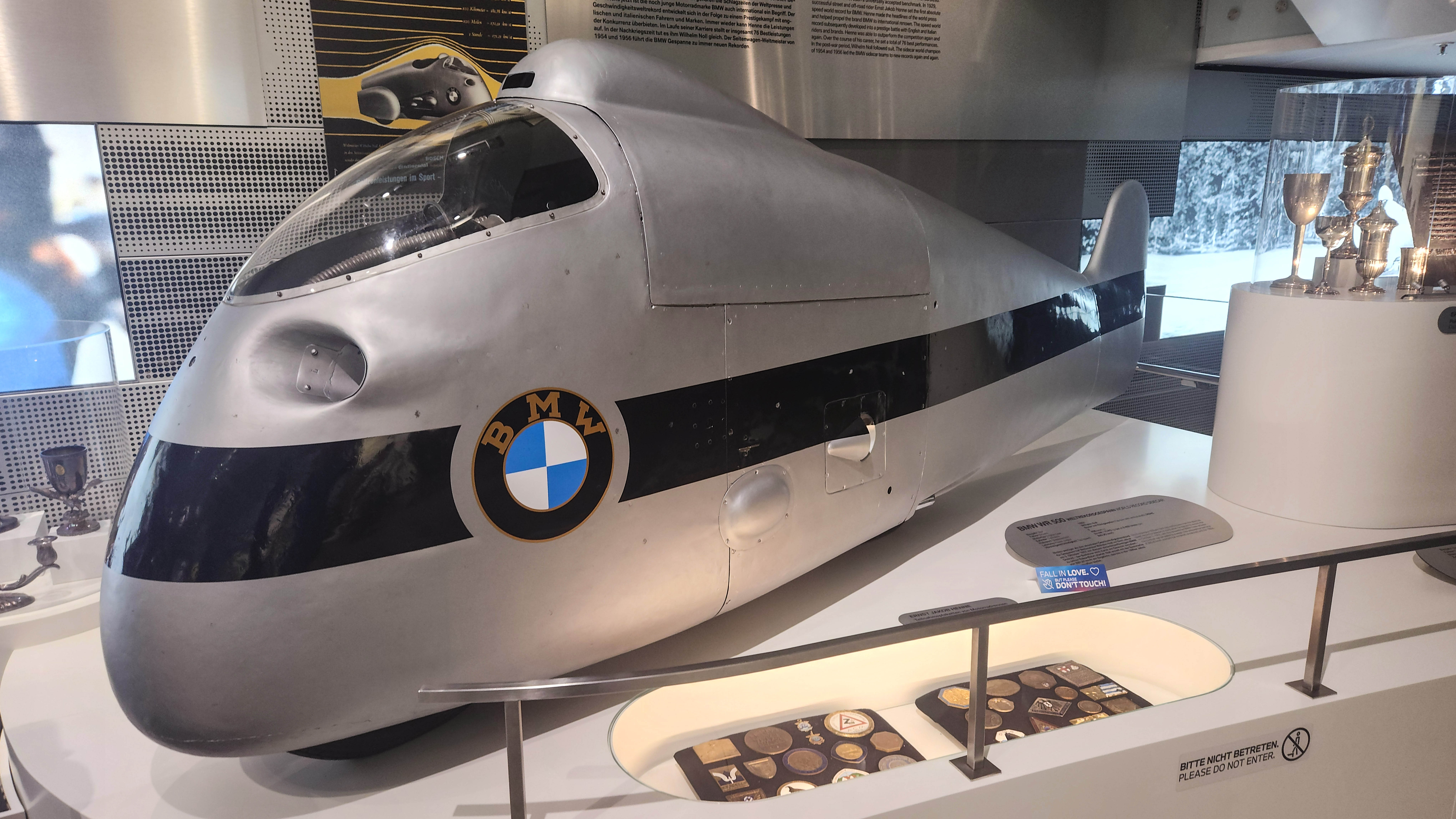


BMW World is like a massive showroom with all BMW vehicles & motorbikes as well as all other brands under their umbrella such as Mini & Rolls Royce combined with cafe’s, bars, restaurants, it is a very unique place.
We then went to see the Nymphenburg Palace. Nymphenburg Palace owes its foundation as a summer residence to the birth of the long-awaited heir to the throne, Max Emanuel, who was born in 1662 to the Bavarian Elector Ferdinand Maria and his wife, Henriette Adelaide of Savoy, after some ten years of marriage.
The size of the palace and the land surrounding it is the first thing that strikes you. The palace facades measure a combined 700mtrs whilst the gardens/parkland/lakes that surround it is a combined 490 acres. The baroque design & French style interior is typical of the ostentatious rich interior decoration of the times. It is severely opulent and garish at the same time.


SWITZERLAND
Bern
The trip from Munich to Bern would be our longest travel day with the total door to door driving time to take around 4 1/2 hours.
As we were staying 4 nights in Bern we had planned quite an array of activities to make the most of our time there.
We decided to take a trip down to Lausanne, the home of the IOC and the Olympics Museum.
We spent a few hours at the museum which was great as it had the full story of the birth of the modern Olympics under Baron de Coubertin along with a lot of the original documentation which got the Olympic movement up and going.
Additionally there were items such as the medals, wreaths, torches from every Olympic Games to the current day. There were displays of equipment which showed a stark difference in what the early athletes had to use against the current day athlete, for both the Summer & Winter Olympics.
We then had a wander around Lausanne old town itself where we had lunch in of all places, a gym!


The following day we thought we would have an explore around Bern itself which has an “old town” as one of its major attractions. I’d have to say that Bern “old town” is probably the nicest old town, with so much character, that we have been to.
We went there on a Saturday morning which was great as there were quite a number of markets throughout the town selling everything from clothes to plants to a huge range of cheeses & cured meats. If we lived here we’d be in there every Saturday!
One of the major attractions is the Zytglogge (Bernese German for time bell), which attracts a crowd every hour to see & hear the clock “do its thing”. It is a very intricate & detailed clock with many moving figures & musical sounds. The building has had many iterations over the centuries including a gate tower and being a prison for “priest whores”, women convicted of sexual relations with clerics! In the early 15th century the clock was installed along with the original bell.
Bern also happens to be the capital of Switzerland, housing the offices of the federal government, the parliament, and the national bank.
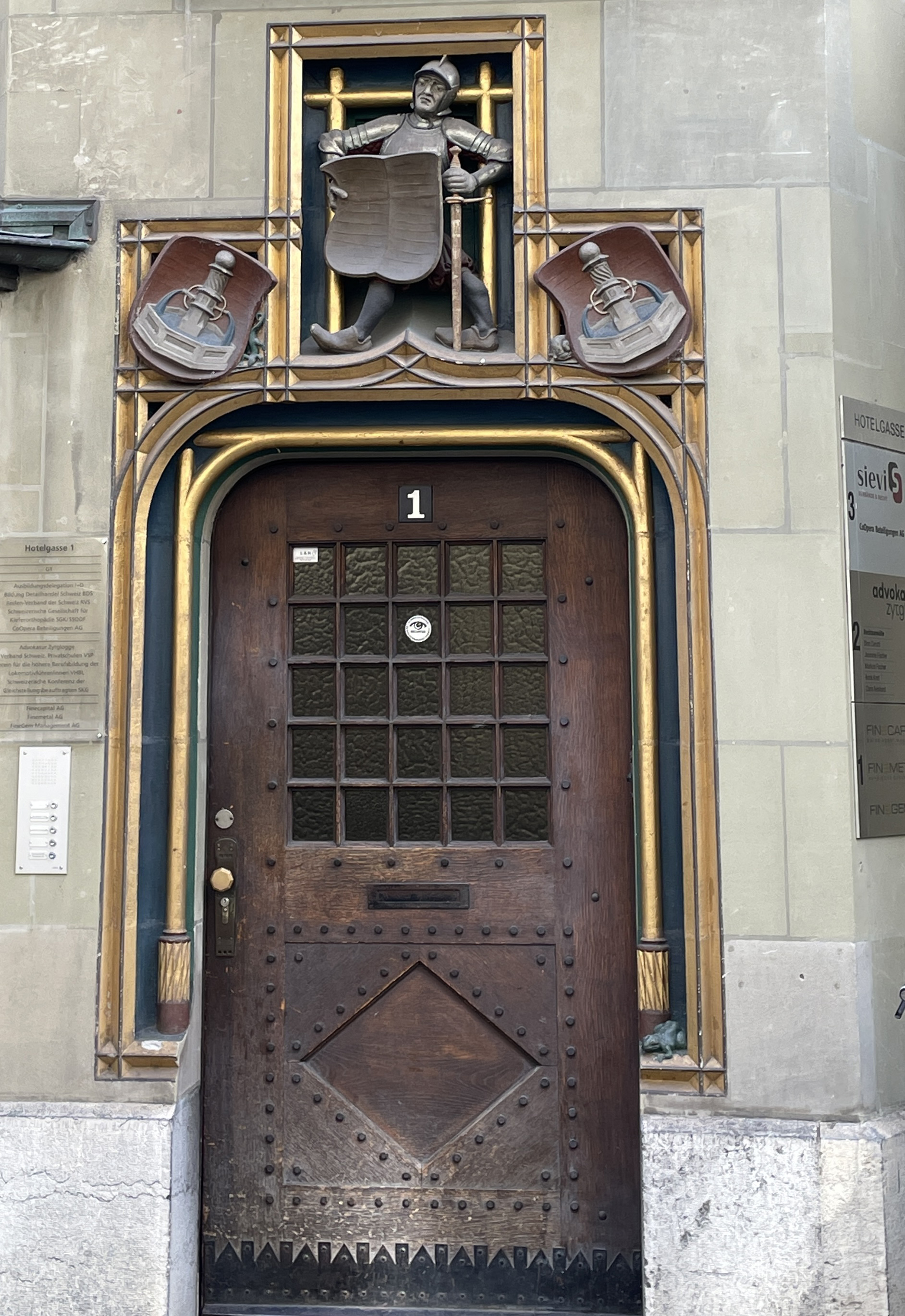
The town is quite beautiful with many old buildings which are quite decorative including Bern Minster which is a gothic style church with the tallest spire in Switzerland. Whilst walking the streets of Bern there are a lot of sculptures/statues depicting historical and fictional events and characters.


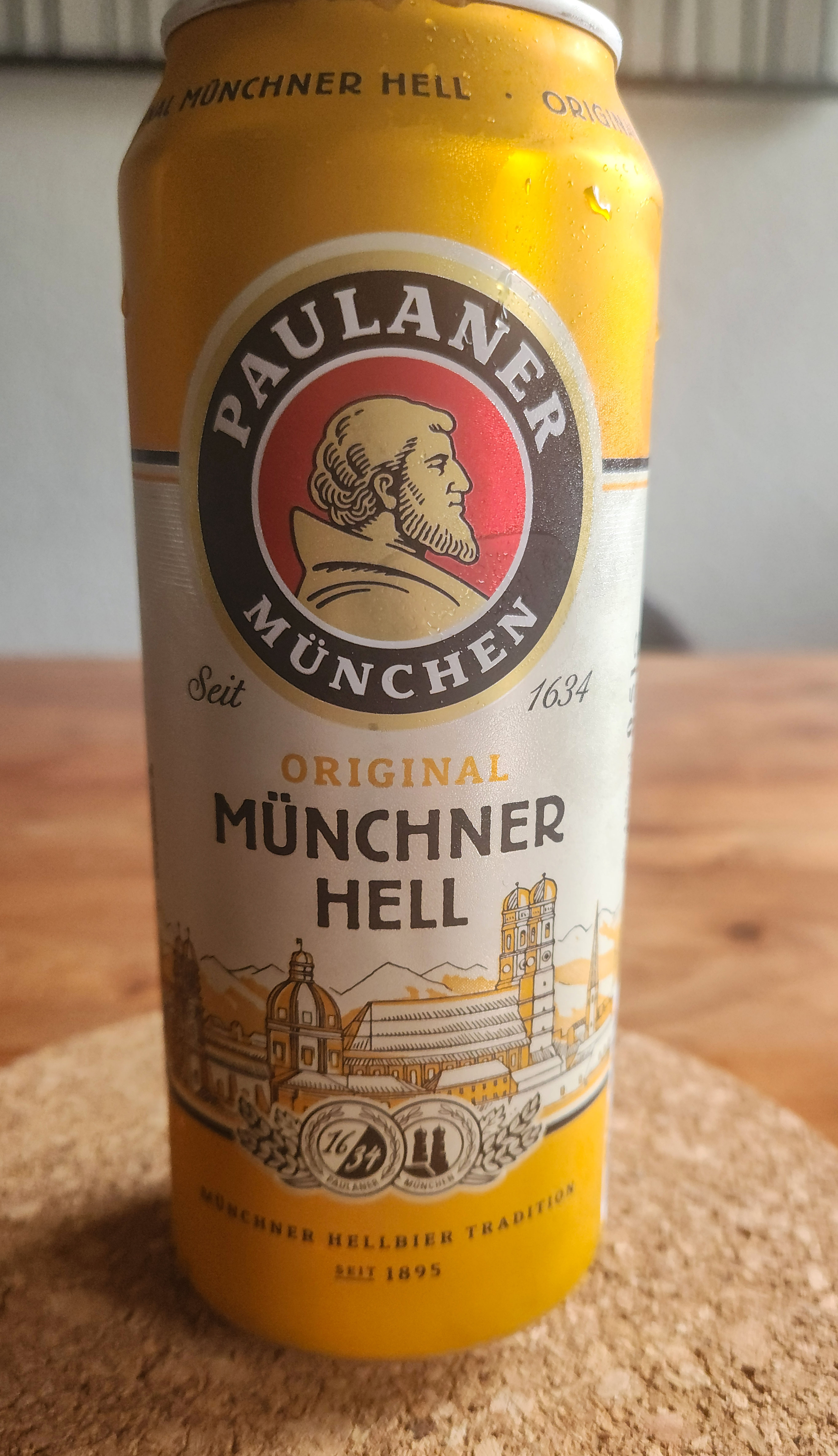

A nice Swiss lunch of the local potato rosti with egg, bacon & cheese with some local wine tops off a really nice morning.
The following day we drove to Beatenburg, which is above Lake Thun, or Thunersee, and is the cable car station to get up to the Neiderhorn. At its peak the Neiderhorn is 1963mtrs above sea level and is the point to which we are aiming to hike.
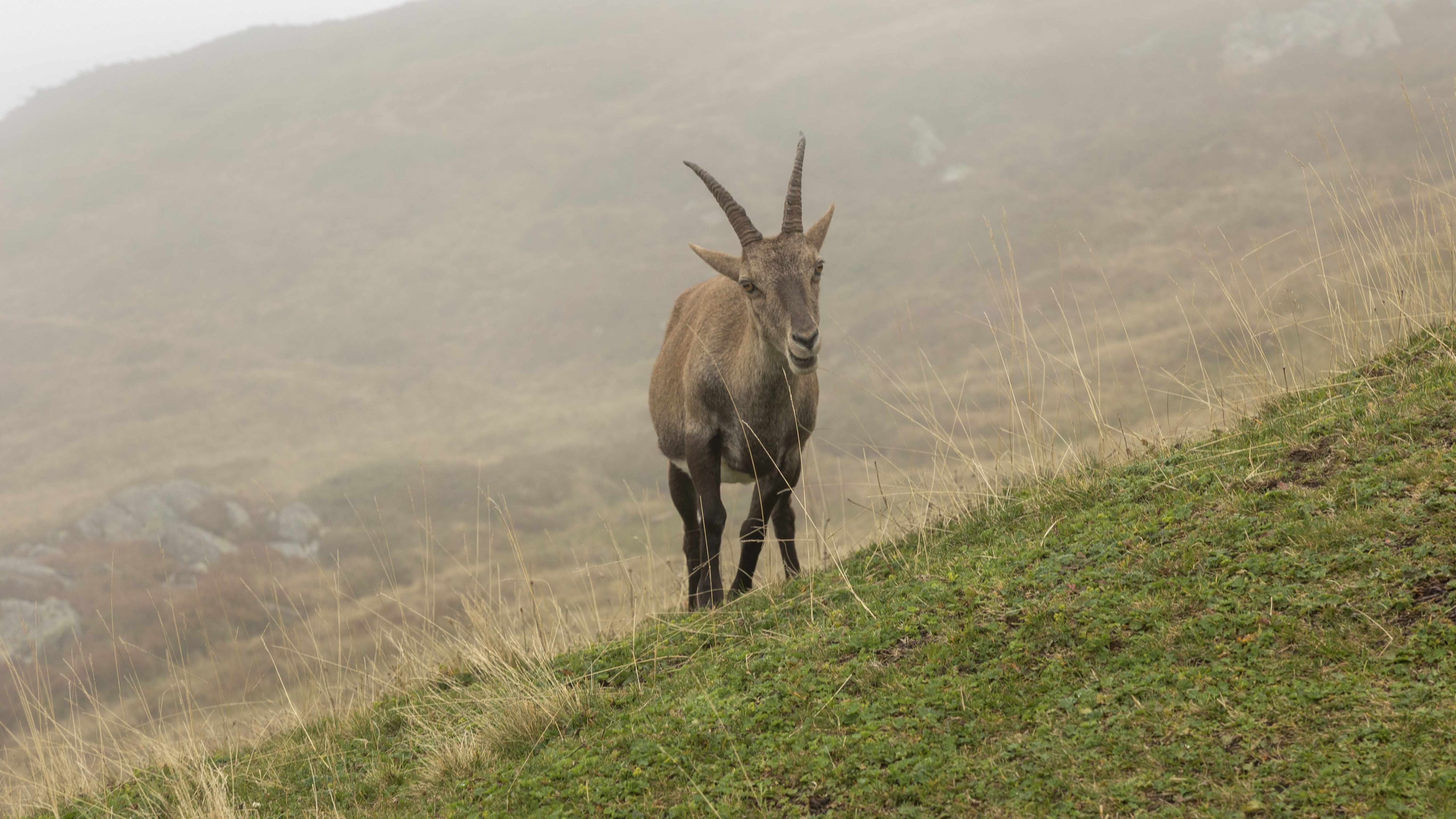
The weather was fine upon our departure but as we rode up in the cable car we got closer & closer to cloud/fog. We headed off, uncertainly it must be said, to hike up to the peak of the Neiderhorn in foggy weather. On the way up the fog cleared every now and then to give us a view of Thunersee and the land below which was quite stunning. We made it to the top and with an incorrect & more difficult descent made it back to the restaurant and cable car station intending to have a leisurely lunch.




Unfortunately they were closing the restaurant and everyone, including staff were getting on the next set of cable cars back down the mountain as they would be the last ones for the day due to some “mechanical issues”!
We were going to have lunch in Interlaken but everywhere was meter parking & we didn’t have coinage or able to use their apps so we drove around the lake for a while and eventually had lunch in a little bakery cafe in a small town called Spiez.
Lauterbrunnen
The drive from Bern to Lauterbrunnen is only an hour and our check in wasn’t till later in the day so we thought we’d make a day of the small trip to our next port of call.
We called in to Interlaken, this time armed with coinage for the car parking. We had a wander around the town which was starting to get quite busy and we could tell was a bit of a magnet for tour buses, particularly Asians wanting to do tandem paragliding!
We decided to take a drive around Lake Brienz, stopping off at Iseltwald for a photo op. We proceeded on to Brienz for lunch on the lake which was really nice & picturesque.


Whilst sitting at lunch we noticed the mountain on the other side of the lake had a road partially up it and some buildings. A quick bit of investigation showed that we could drive up near the top of the mountain to a place called Axalp then take the chair lift to the top of the mountain, which is what we did.
The road in some places was quite narrow and had seen better days but overall an interesting drive up the mountain. The chairlift took us to the top of the mountain where the views were breathtaking, showing off the colour of the lake below & the mountains all around. Additionally there were paragliders going off the top of the mountain where we were.
This was a real hidden gem & I’d venture to say that not many people get to experience it.


We had arranged our accommodation through Damien & Leanne Cook, whose friends coincidentally owned Airbnb apartments in Lauterbrunnen. We met Ursula, our host later in the afternoon who showed us into our accommodation which was by far the largest apartment we had stayed in. Perfectly situated in the centre of town with views of Jungfrau out the front balcony and the Staubbach Falls out the back, the apartment was the perfect place for our stay at Lauterbrunnen. On advice from Ursula we stopped in at the Tourist information centre and bought a Jungfrau Pass which enabled us to travel on trains, buses, cable cars, gondolas etc. whilst we were in the Jungfrau region. One of the best pieces of advice we have received in a long time as we certainly got our moneys worth.
As the weather was favourable we decided that we would do the trip up to Jungfrau on our first full day there. We got a reasonably early start, catching the 8am train from Lauterbrunnen as we were told it gets very busy throughout the day with many people coming by tour bus and train.
I’m glad we did go early as it was quite busy by the time we got up the top of Jungfrau. The weather was perfect with blue skies and the occasional cloud. It was quite a special thing to do.
On the way back down we decided to get off the train at Eigergletscher, which is one stop down from Jungfrau and hike down to Kliene Scheidegg. The hike has you walking past the Eiger Glacier down a track with stunning views of Jungfrau, The Eiger & the valleys they create as well as towns such as Wengen. An at times steep walk but well and truly worth it. After lunch at Wengen we caught the train back to Lauterbrunnen to have a better wander around there.


The next day we thought we’d go over to Grindelwald and go up to Grindelwald First (pronounced Fearst). To get there it was a train, change of train then bus to get to the gondolas to take you up the mountain. As it turned out it was just as quick to walk rather than wait for the bus!
Unfortunately when going up the mountain, the fog got thicker & thicker and for all the time we spent there it did not let up. We decided to head back down the hill, catch a bus to Grindelwald Terminal where we took a gondola, across country & up a mountain to Mannlichen.
Mannlichen was a nice surprise for us as we thought we’d go there on a whim due to the fog at Grindelwald. When we got there we had risen above the clouds which had begun to clear but they gave it a great perspective on how high you are, particularly with the fantastic view of the mountain peaks. Mannlichen is known for the great views of the big 3 peaks; Monch, Eiger & Jungfrau. We thought we would come back here on one of our days when it was completely clear.
We also chose to do the Royal Walk which is an uphill hike from the Mannlichen gondola station to the summit which is 1km each way and 120mtrs vertical distance, which doesn’t sound so bad till you start doing it & realise you are at 2200mtrs altitude. The views, like the rest of Mannlichen are stunning.


In our Switzerland travel guidebook we saw a Three Passes Driving Tour, the start of which was just over 40kms away, is 120km in length and went over three mountain passes ie; Grimsel Pass, Furka Pass & Susten Pass. So on our third day we thought, lets do this 200km drive and see quite a bit of the magnificent countryside that Switzerland has to offer. We were not disappointed!
Fortunately we had a beautiful clear day to do the drive. The road was an intrinsic part of the experience coming down to single car width in some areas, multiple switchbacks going both up & down mountains all with majestic views of the alps, valleys, glaciers & grazing cattle just to mention a few highlights.
On the Furka Pass we stopped at the Rhone Glacier with the famous (thanks to James Bond movie) but currently closed Belvedere Hotel across the road. Certainly one of the most accessible glaciers we have seen. We walked down near the glacier & went inside the “ice cave”, which is made from part of the glacier.


Interestingly Molly & Harry tried to do this drive 12 days later but it was completely closed under 2 feet of snow!
We continued our drive through Andermatt & on to the Susten Pass where we stopped at a roadside cafe/restaurant in the middle of nowhere which was obviously popular with motorbike riders. The owner was telling us that the cafe is only open from May to mid-October as the pass is closed due to snow for the rest of the year. Made our way back to Lauterbrunnen after a really enjoyable day.


For our final full day at Lauterbrunnen we decided we would go back up to Grindelwald First then head back over to Mannlichen as it was such a beautiful day and then we would head up to Murren, which is above Lauterbrunnen, for lunch. Whilst at Mannlichen we took the “Royal Ride” which is on top of the cable car as we descended back down the mountain. A beautiful day to enjoy not just the destinations but also the journeys through the valleys and up the mountains.


That night our hosts, Ursula & Mark Nolan, invited us over to their place for drinks in the afternoon. It was really nice to get to know them a bit and we got on so well we were asked to stay for dinner. Great hospitality and very grateful for allowing us to stay at their apartment.
Before leaving Lauterbrunnen next morning we wanted to go to see Trummelbach Falls, which is just a couple of kilometres outside Lauterbrunnen. Trummelbach Falls has 10 glacial waterfalls “inside” the mountain accessible by lift. The Trümmelbach alone drains the enormous glacier walls of the Eiger (3970m), Mönch (4099m), and Jungfrau (4158m) with up to 20,000 liters of water per second from its 24 square kilometer catchment area, half of which is covered in snow and ice. The power and volume of the water going through the mountain is really something to experience.


Crans-Montana
We were advised that the best way to get to Crans-Montana from Lauterbrunnen was by taking the route that took you to a point where you drive onto a train & the train takes you through the mountain, which is exactly what we did. It was an interesting experience.
Having had a terrific 5+ weeks holiday all roads lead to Crans-Montana for Molly & Harry’s wedding.
The day before the wedding was going to be a lay back hit of golf, however being the golf resort it was getting on to a course proved very difficult. It was decided that the boys would go white water rafting while the girls did a hike somewhere up the mountain near a lake.
The boys got the short straw!
After begrudgingly taking our booking we duly got prepped in wetsuit and headed to the river. It was not long till the guide said to the left half of the boat to jump in the water & their respective partners in the boat would pull them in. This was also done in reverse and all whist floating down the rapids, albeit a quieter section. Soon enough he had us all jumping out of the boat telling us to just get back in, which was impossible without his assistance. Narrowly avoiding his attempt to get us to capsize the boat, I can say I was glad to survive the experience!
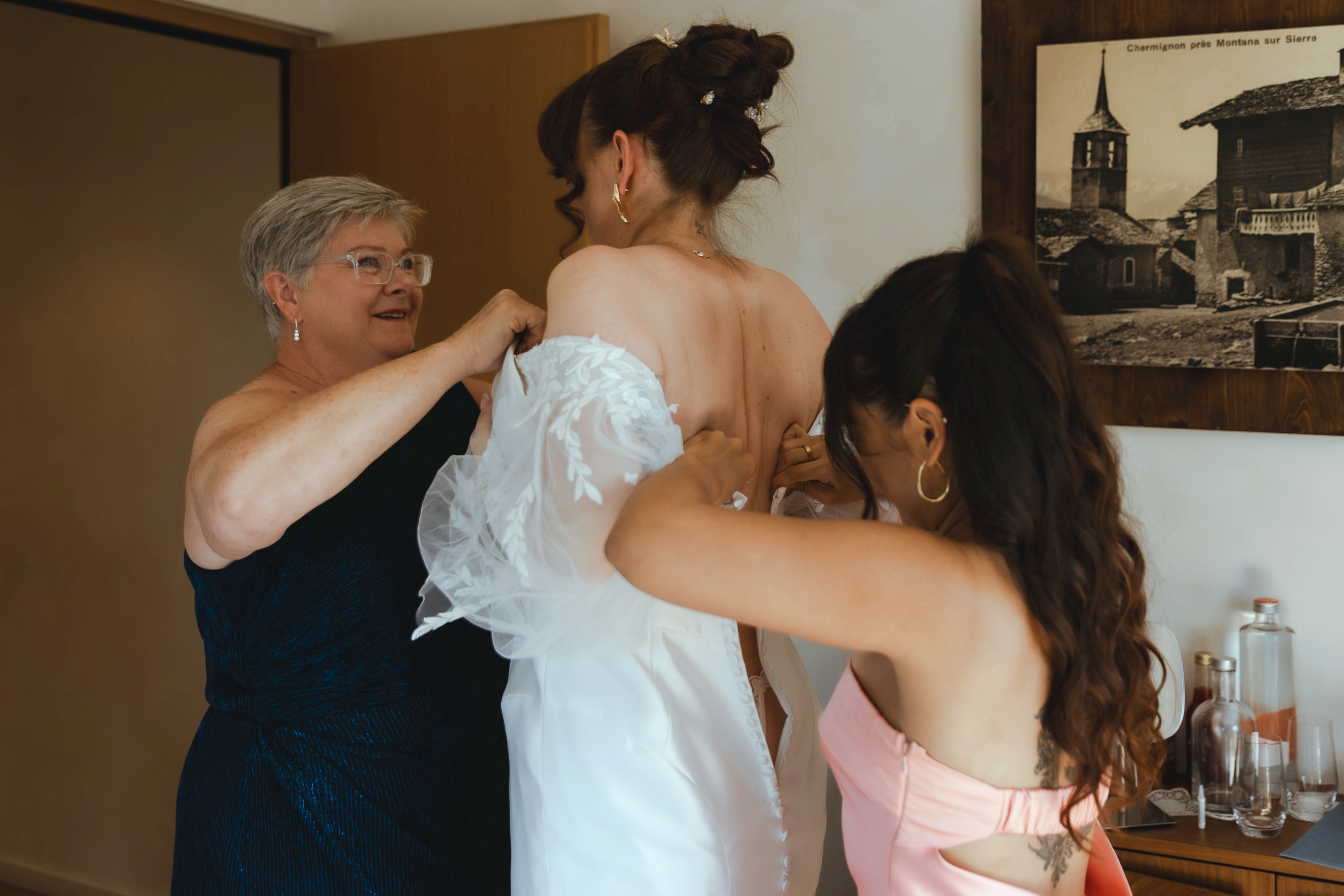
The following day was D-Day and bridal preparations started in earnest early in the day. The photographers suggested leaving time passed by and an hour later we were in the car on the way to yet another cable car to ascend a mountain for the ceremony.


Upon arrival at the top of the mountain another good 15 minute hike down narrow walking tracks was somewhat difficult for some of the girls in their wedding shoes! Having gotten to the spot for the ceremony I can say it was so worth it.


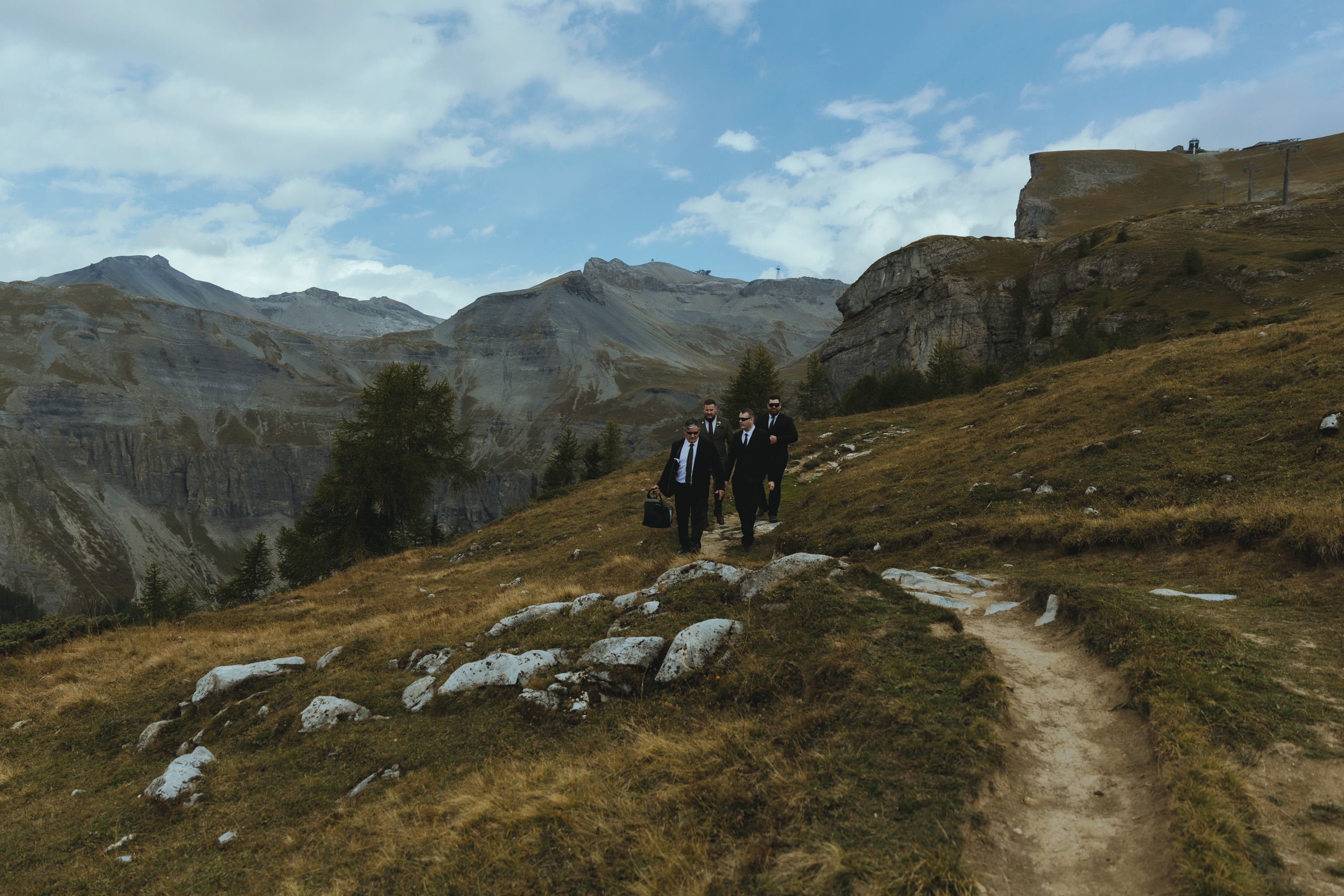
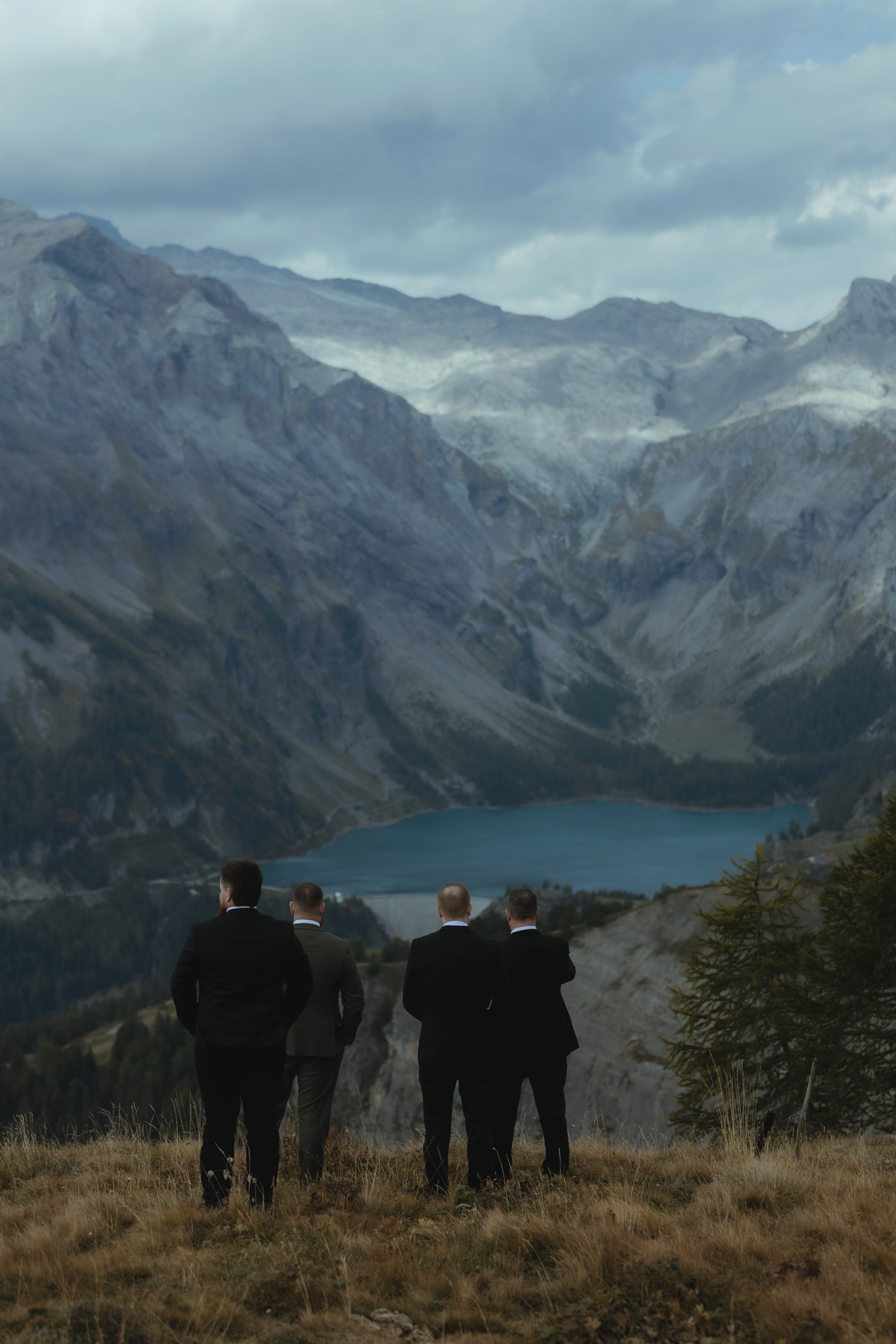


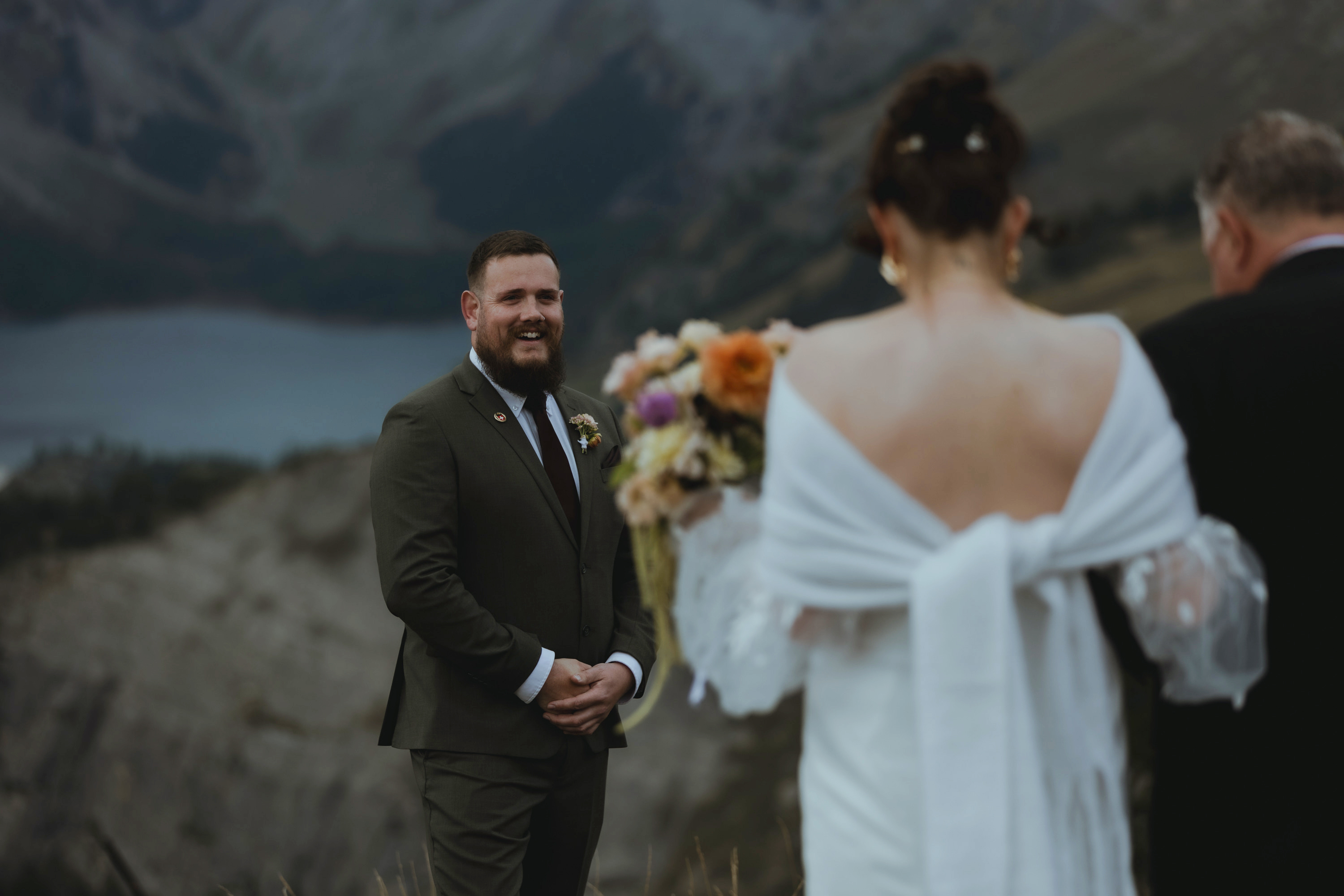


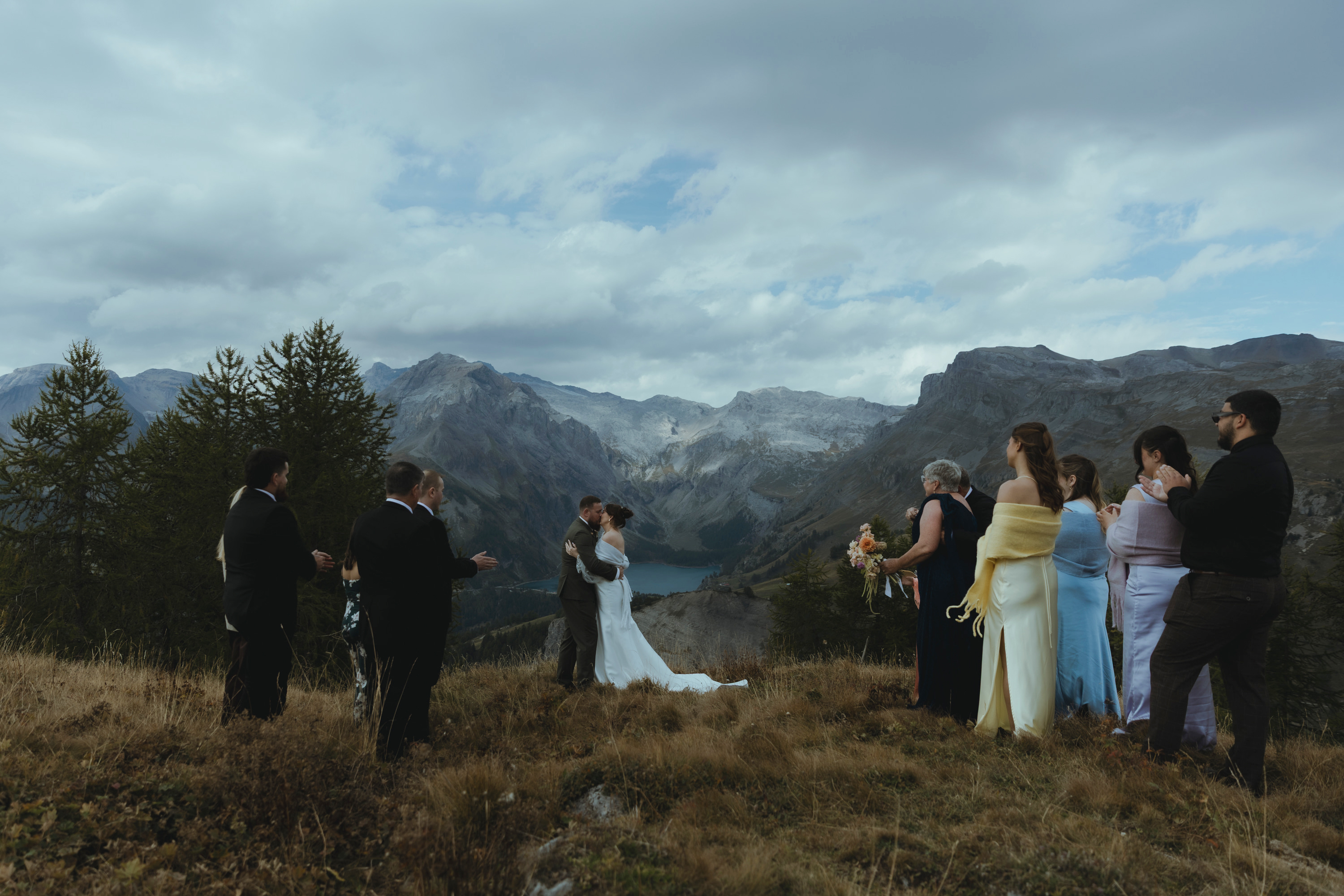


The weather was perfect, the backdrop scenery was magnificent and happily everything fell into place perfectly. That’s what planning does!
After the ceremony and many shed tears a couple of glasses of champagne were consumed to toast the bride & groom and enjoy the moment.


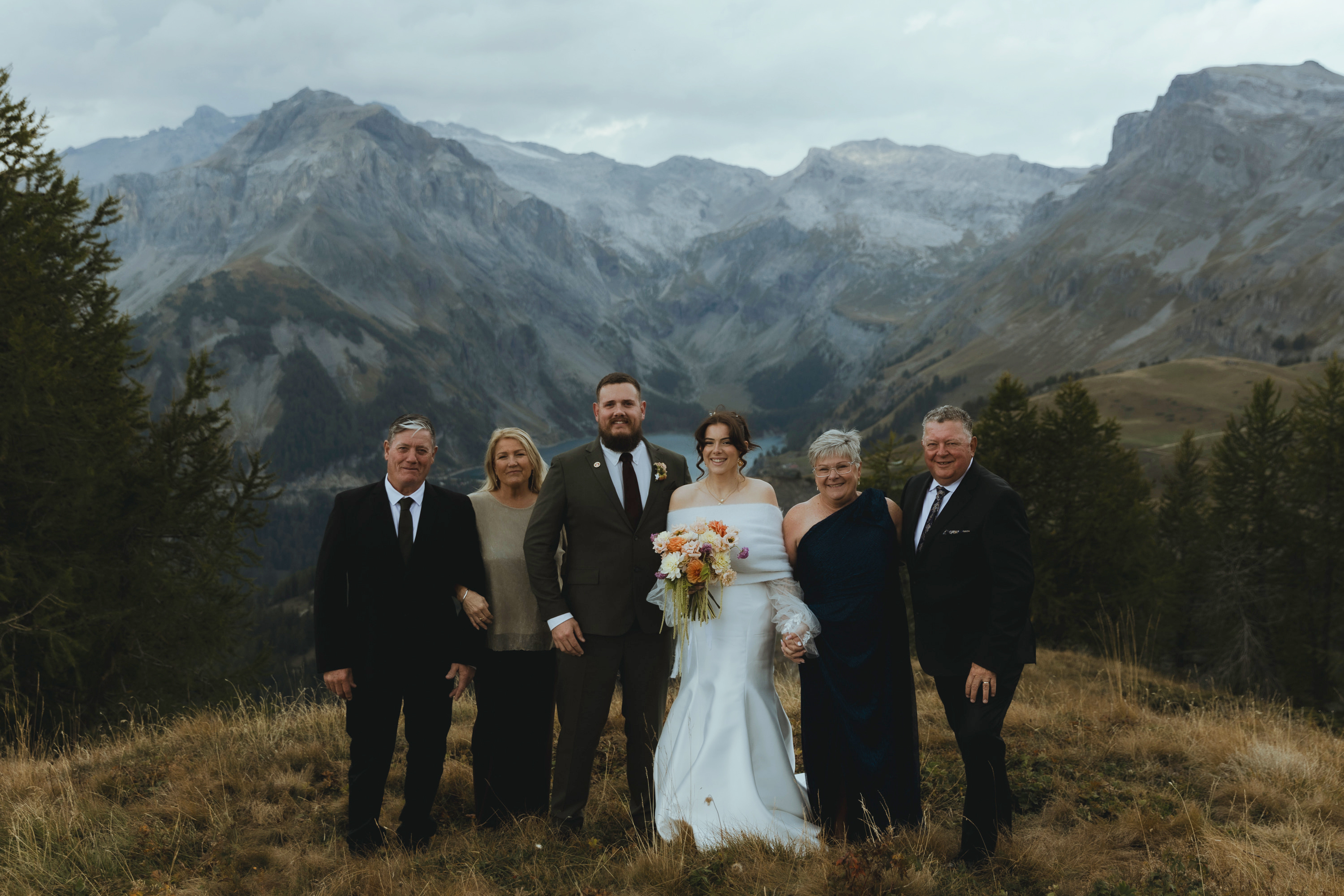


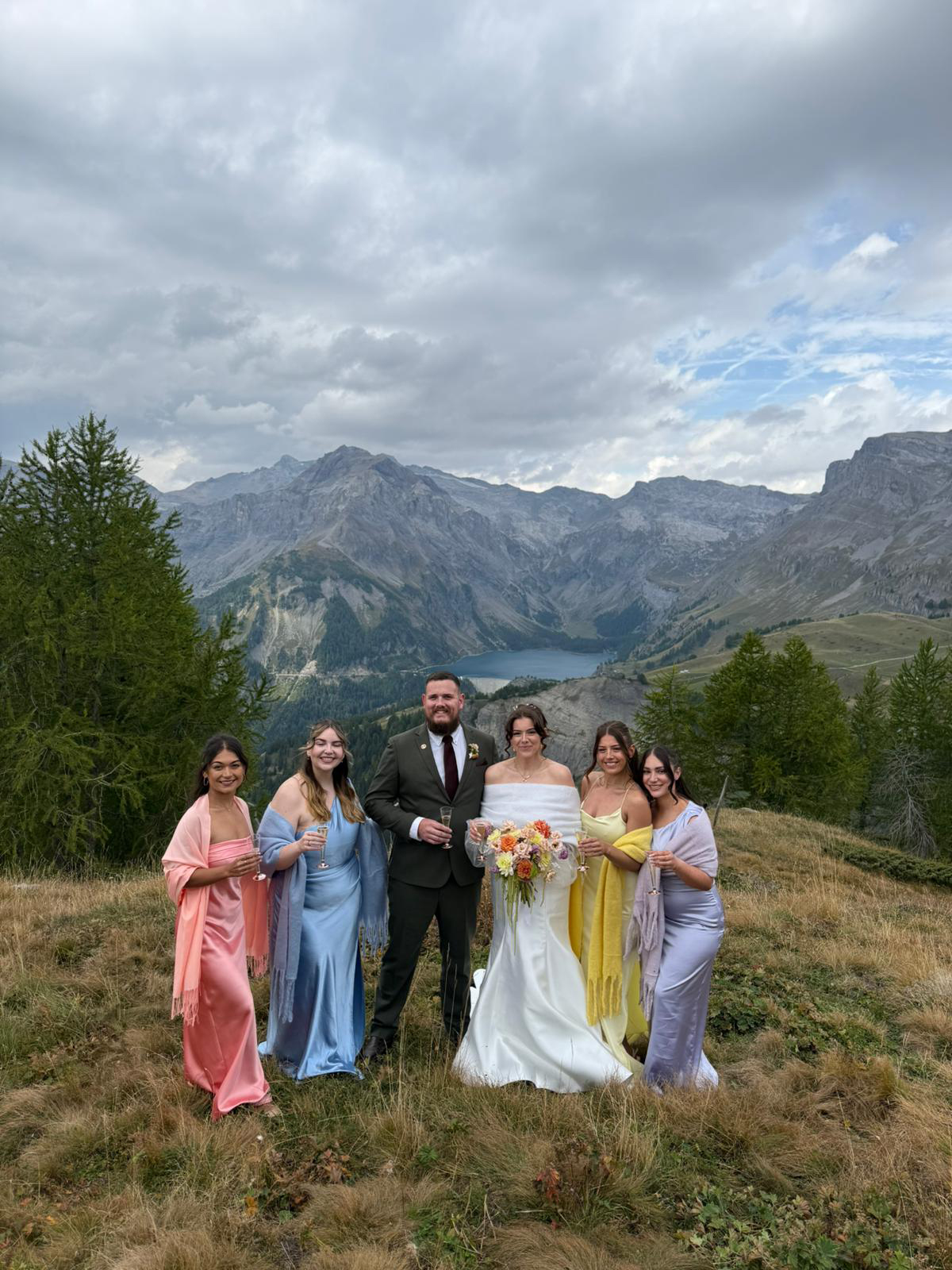

While Molly & Harry stayed up on the mountain for photos, the rest of us headed back to the hotel where the reception would be held a bit later.
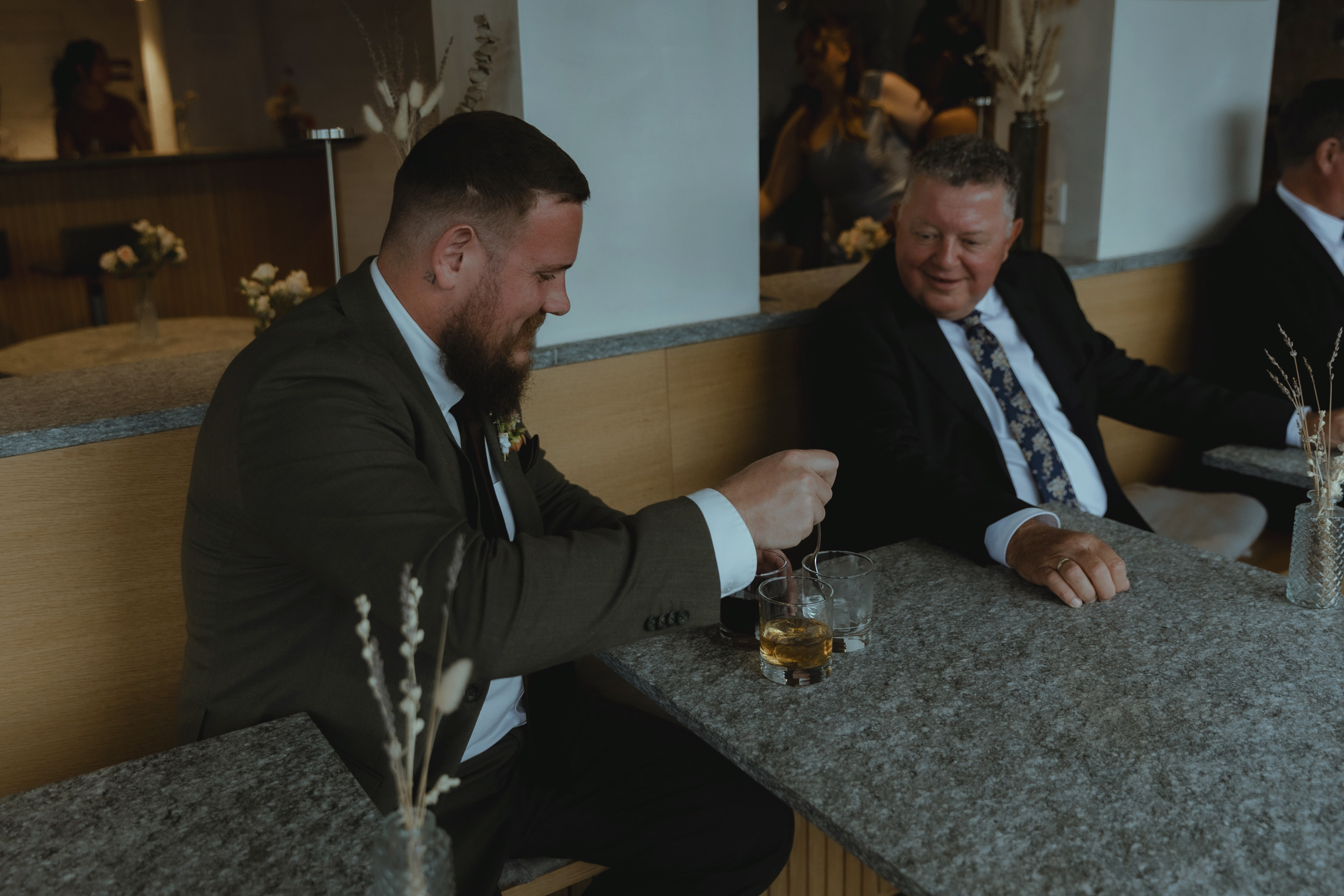
The hotel did a great job with the pre-drinks and the reception with the food being an absolute standout. A big early day saw a relatively early finish to proceedings.


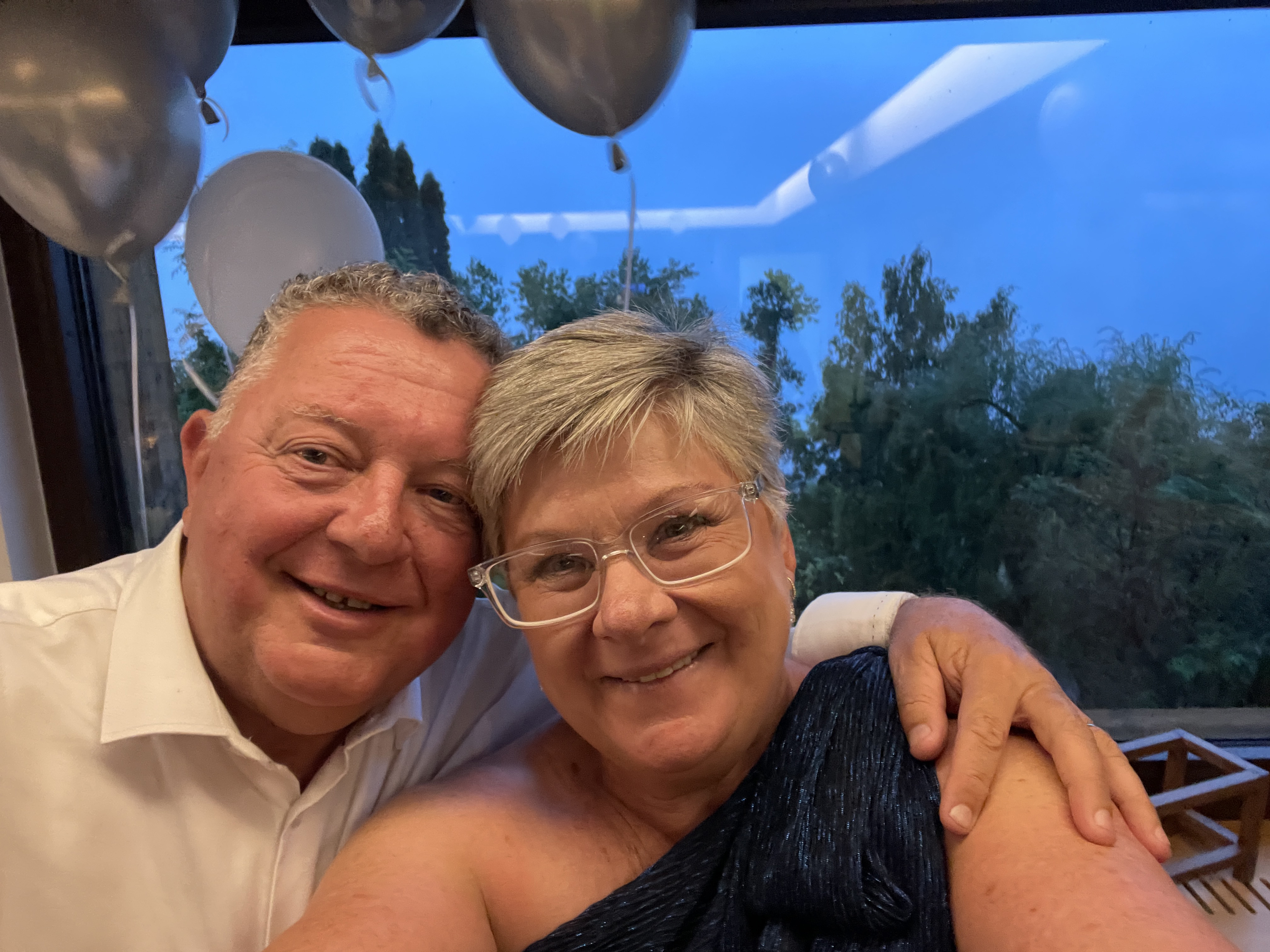


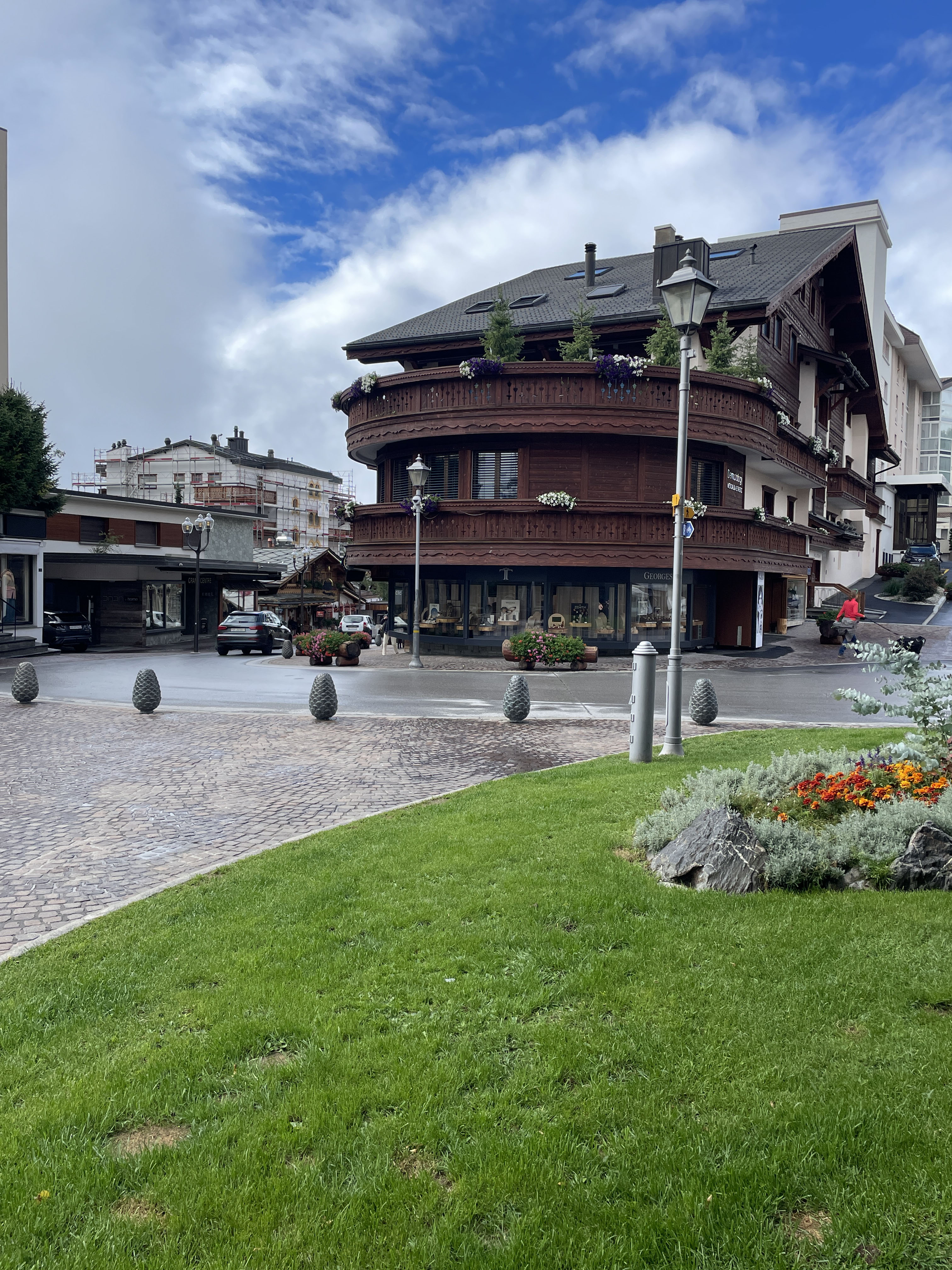
The next day was very foggy at breakfast so we thought we would just go up into Crans and have a look around the town plus Brian wanted to go to the golf course, Crans Sur Sierre and get a shirt & a couple of ball markers etc.
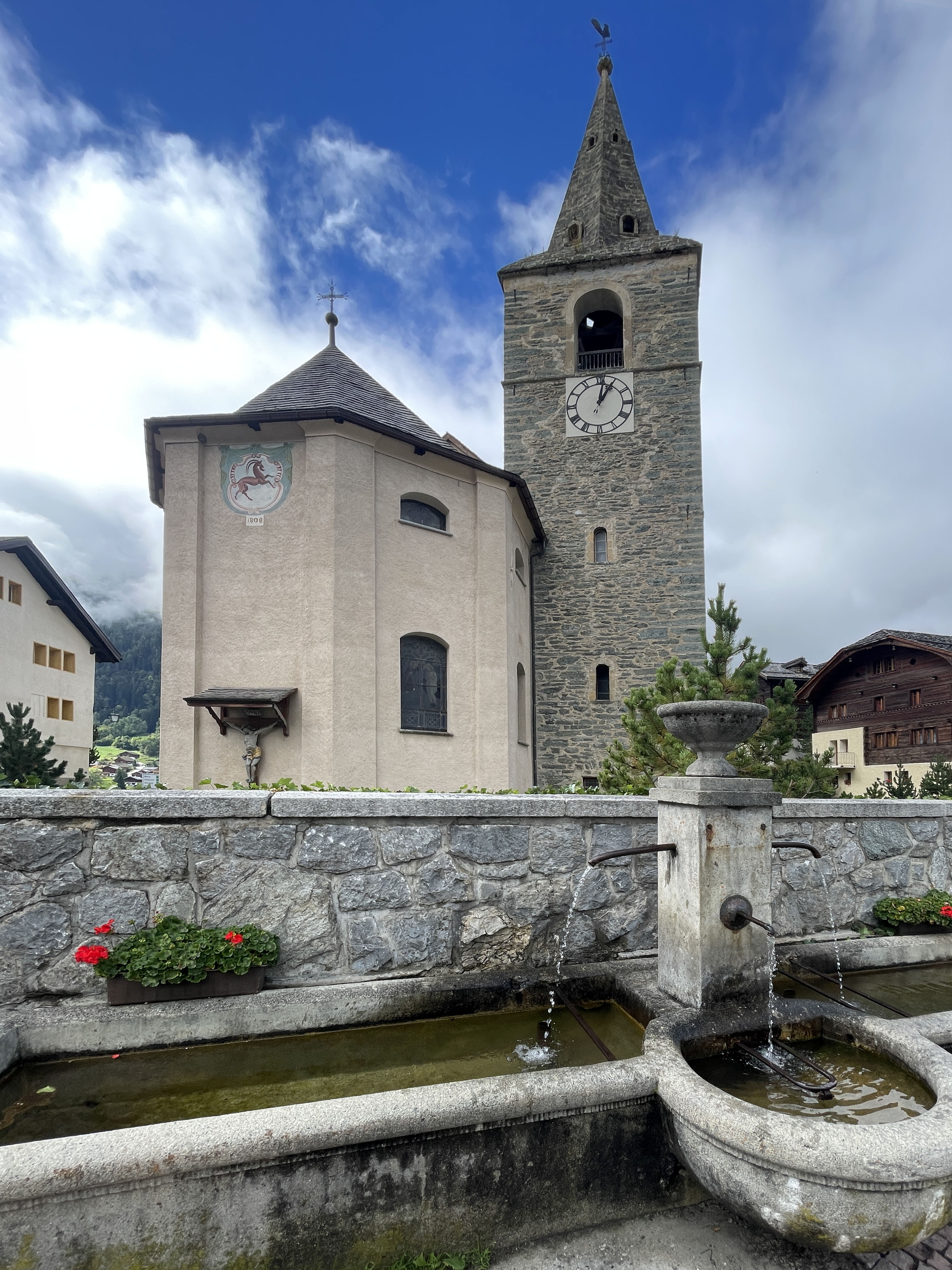
After this, with the sun breaking through a little bit we decided to go over to the other side of the valley & go up the mountain and explore over there. We had lunch in a little mountain village named Vissoie, which is perched on the mountain at 1200mtrs right over a valley.
After lunch we continued our drive wandering through little mountain villages before venturing back to the hotel later in the day.




After a family dinner together the night before it was time to leave and begin our journey home. First stop was Geneva airport to catch a flight to Istanbul, where we stayed on the Black Sea side for one night before our flight home to Sydney the next day.
One of the best trips we’ve ever done and the most special seeing Molly get married on a mountain in Switzerland.
Sometimes fairy tales do come true…………..

